


Quince Murabba: Traditional Pakistani Delight, Benefits, and Market Value
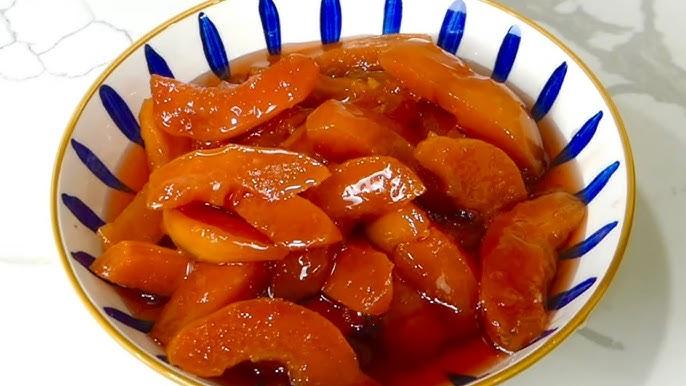
Quince murabba is one of Pakistan’s most cherished traditional preserves, valued for its rich taste, medicinal benefits, and cultural significance. Made from quince (locally known as bahi fruit), this sweet delicacy has been part of desi kitchens for generations. From winter breakfasts to herbal remedies, quince murabba holds a special place, especially in Punjabi and Kashmiri households.
In this detailed blog post, we will explore what quince murabba is, its health benefits, how it is prepared, its uses, market demand, and factors that influence the bahi fruit price in pakistan, along with buying tips for consumers.
What Is Quince Murabba?
Quince murabba is a traditional sweet preserve prepared by slow-cooking quince fruit pieces in sugar syrup until they become soft, glossy, and aromatic. The fruit itself is hard and sour when raw, but once cooked, it transforms into a fragrant and mildly tangy sweet treat.
In Pakistan, quince murabba is commonly consumed during winter due to its warming nature and health-boosting properties. Many families still prepare it at home, while others prefer purchasing it from herbal stores (pansar shops) or traditional sweet sellers.
Understanding Bahi Fruit (Quince)
What Is Bahi Fruit?
Bahi fruit, known internationally as quince, resembles a pear or apple but has a tougher texture. It is usually yellow when ripe and has a strong fragrance. In Pakistan, it is grown mainly in colder regions such as:
-
Khyber Pakhtunkhwa
-
Gilgit-Baltistan
-
Balochistan (Ziarat and surrounding areas)
-
Northern Punjab
Seasonal Availability in Pakistan
Bahi fruit is typically available from October to February, which is why quince murabba is mostly prepared during winter months. Fresh supply and quality during the peak season directly impact the bahi fruit price in Pakistan.
Health Benefits of Quince Murabba
Digestive Health
Quince murabba is widely used to improve digestion. It helps relieve constipation, acidity, and stomach weakness, making it a popular choice after heavy desi meals.
Respiratory Support
In Unani and herbal medicine, quince murabba is considered beneficial for coughs, sore throat, and chest congestion, especially during cold weather.
Boosts Energy
Due to its natural sugars and nutrients, quince murabba provides instant energy and is often recommended for people recovering from illness or general weakness.
Heart and Gut Benefits
Quince contains antioxidants and fiber that may help support heart health and improve gut function when consumed in moderation.
How Quince Murabba Is Prepared
Traditional Preparation Method
Ingredients
-
Fresh bahi fruit
-
Sugar
-
Water
-
Lemon juice or citric acid (optional)
-
Cardamom (optional for aroma)
Basic Process
-
The fruit is washed, peeled, and cut into cubes or slices.
-
Pieces are soaked to prevent discoloration.
-
Sugar syrup is prepared separately.
-
Quince pieces are slow-cooked in syrup until translucent and tender.
-
The murabba is cooled and stored in airtight jars.
This slow cooking method preserves flavor and nutrients, making homemade quince murabba highly valued.
Uses of Quince Murabba in Daily Life
As a Breakfast Companion
Many Pakistanis enjoy quince murabba with paratha or roti at breakfast, especially in winter, paired with butter or cream.
Herbal Remedy
It is commonly used as a natural remedy for digestive and respiratory issues, often recommended by hakims.
Festive and Gift Item
Homemade murabba is frequently exchanged during winter gatherings or sent as gifts to relatives.
Market Demand for Quince Murabba in Pakistan
The demand for quince murabba rises significantly in winter. Urban consumers increasingly prefer ready-made, hygienically packed murabba from reputable brands, while rural households still favor homemade versions.
With growing awareness of natural and herbal foods, quince murabba has gained renewed popularity among health-conscious buyers.
Bahi Fruit Price in Pakistan: What Affects It?
The bahi fruit price in Pakistan varies depending on several factors:
Seasonality
Prices are lowest during peak harvest months (November–December) and increase toward the end of the season.
Quality and Size
Larger, blemish-free fruits with strong aroma command higher prices in local mandis.
Region of Origin
Bahi fruit from northern areas is often more expensive due to better quality and transportation costs.
Market Location
Prices differ between wholesale markets, local bazaars, and upscale grocery stores in cities like Lahore, Karachi, and Islamabad.
On average, bahi fruit prices are moderate compared to other winter fruits, but yearly fluctuations are common due to weather and crop yield.
Buying Tips for Bahi Fruit and Murabba
How to Select Fresh Bahi Fruit
-
Choose firm fruit with a bright yellow color
-
Avoid bruises or excessive softness
-
Strong fragrance indicates ripeness
Choosing Quality Murabba
-
Prefer glass jars over plastic
-
Check syrup clarity and fruit texture
-
Avoid overly crystallized sugar
Buying directly from trusted pansar stores or reputable local sellers ensures better quality.
Homemade vs Commercial Quince Murabba
Homemade Murabba
-
No preservatives
-
Custom sweetness
-
Higher nutritional value
Commercial Murabba
-
Convenient
-
Longer shelf life
-
Consistent taste
Both options have their benefits, depending on lifestyle and availability.
Cultural Importance of Quince Murabba in Pakistan
Quince murabba is more than just a sweet preserve; it represents tradition, hospitality, and seasonal wisdom. In many households, elders pass down recipes, making it a symbol of culinary heritage.
Despite modern food trends, quince murabba continues to hold its place in Pakistani kitchens, thanks to its taste and health benefits.
Conclusion
Quince murabba remains a timeless winter delicacy in Pakistan, appreciated for its flavor, medicinal value, and cultural roots. From understanding bahi fruit to preparing and enjoying murabba, this traditional preserve reflects the balance between food and health in desi culture.
Whether you plan to make it at home or buy it from the market, staying informed about quality, seasonality, and the bahi fruit price in Pakistan can help you make better choices and fully enjoy this age-old treat.

 Arabic
 French
 Spanish
 Portuguese
 Deutsch
 Turkish
 Dutch
Dutch
 Italiano
 Russian
 Romaian
 Portuguese (Brazil)
 Greek
Greek