


Energy Efficiency Made Easy: The Role of UPVC Doors
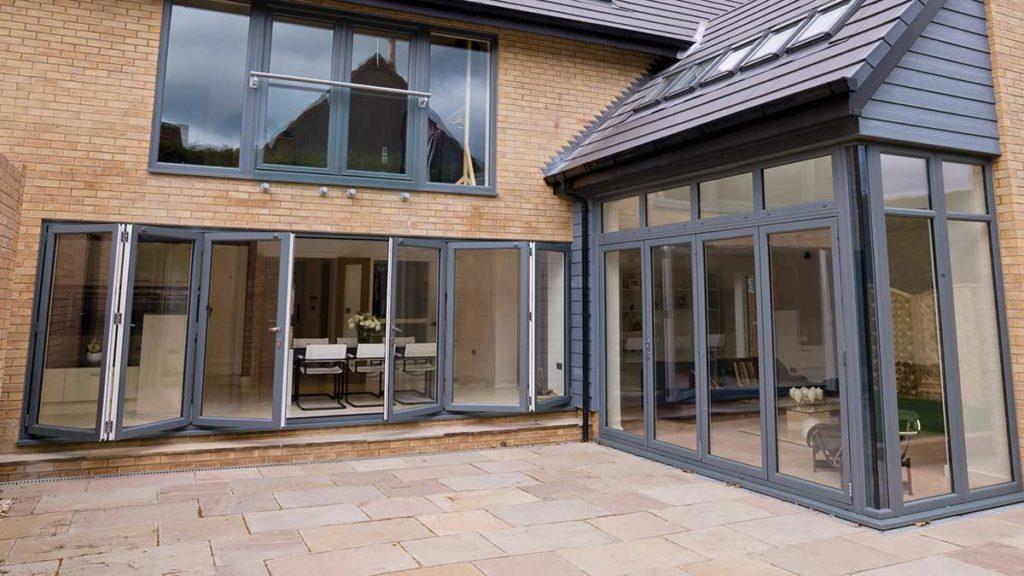
Energy efficiency has become more than just a trend; it’s a necessity. Rising energy costs, environmental concerns, and an increasing awareness of sustainable living have prompted homeowners and businesses alike to seek ways to reduce energy consumption.
One often-overlooked aspect of energy efficiency in buildings is the choice of doors and windows. Among the many options available, UPVC (unplasticized polyvinyl chloride) doors have emerged as a practical, cost-effective, and energy-efficient solution.
Understanding Energy Efficiency in Buildings
Energy efficiency in a building refers to the optimal use of energy to maintain comfort while minimizing waste. Inefficient doors and windows are a major source of energy loss, contributing to higher heating and cooling bills. According to studies, poorly insulated doors can account for up to 15% of a home’s total energy loss. This is where the choice of materials and design becomes crucial.
What Are UPVC Doors?
UPVC, or unplasticized polyvinyl chloride, is a type of plastic known for its durability, low maintenance, and insulation properties. Unlike traditional PVC, UPVC does not contain plasticizers, making it stronger and more rigid. UPVC doors come in various styles, including sliding, French, and panel doors, offering versatility for residential and commercial use.
How UPVC Doors Enhance Energy Efficiency
Thermal Insulation
One of the most significant advantages of UPVC is its thermal insulation capability. UPVC is naturally resistant to heat transfer, meaning it prevents warm air from escaping during the winter and keeps cool air inside during the summer.
This property reduces the workload on heating and cooling systems, directly lowering energy consumption. Many doors are also designed with multi-chambered profiles that trap air, further enhancing insulation and improving the door’s overall energy efficiency.
Air Tightness
Energy-efficient doors must minimize drafts and air leaks. UPVC is engineered with precise manufacturing tolerances, tight seals, and high-quality weatherstripping, which prevent unwanted air infiltration. This airtight construction reduces heat loss and eliminates cold spots, ensuring a consistent indoor temperature throughout the year.
Durability and Low Maintenance
Unlike wooden doors, which can warp, crack, or swell due to moisture changes, doors maintain their shape and performance over time. Their durability ensures that the energy-saving properties remain consistent, avoiding gaps or leaks that can occur in older, less stable materials. Additionally, UPVC doors require minimal maintenance, meaning homeowners can save not only on energy bills but also on repair and upkeep costs.
Sound Insulation
While primarily associated with thermal efficiency, doors also provide excellent sound insulation. Multi-chambered profiles and tight seals help reduce noise pollution, creating a more comfortable indoor environment. In urban areas, this benefit enhances living quality while complementing the energy efficiency advantages by maintaining a stable, comfortable indoor climate.
Environmental Benefits
UPVC doors are not just beneficial for homeowners’ energy bills, they also contribute to environmental sustainability. By reducing the energy needed for heating and cooling, these doors lower carbon emissions associated with energy production. Moreover, many UPVCs are recyclable, further reducing their environmental footprint. Choosing UPVC aligns with sustainable building practices, supporting global efforts to combat climate change.
Aesthetic and Design Flexibility
Energy efficiency doesn’t mean compromising on style. UPVC is available in a wide range of colors, finishes, and designs, including woodgrain effects that mimic the look of natural timber. This flexibility allows homeowners to match their doors with the overall aesthetic of their property while still enjoying energy-efficient benefits. Whether it’s a modern minimalist home or a traditional design, doors offer options that don’t sacrifice style for performance.
Cost-Effectiveness
While the initial investment in doors may be slightly higher than basic wooden doors, the long-term savings on energy bills make them highly cost-effective. Reduced heating and cooling costs, combined with minimal maintenance requirements, ensure that the return on investment is significant over time. For homeowners looking to improve property value, energy-efficient UPVC can also be a selling point, appealing to buyers increasingly conscious of sustainability.
UPVC Doors vs. Other Materials
Wooden Doors: While wood has natural insulating properties, it requires regular maintenance to prevent warping, cracking, and deterioration. Over time, this can affect energy efficiency.
Aluminum Doors: Aluminum is strong and durable, but conducts heat, which can lead to energy loss unless thermal breaks are incorporated. UPVC offers better inherent insulation.
Fiberglass Doors: Fiberglass provides good insulation and durability, but can be more expensive than UPVC, making the latter a more affordable option for many homeowners.
Installation and Maintenance Considerations
To maximize energy efficiency, proper installation of doors is crucial. Even the best-insulated door can lose its effectiveness if installed incorrectly. Professional installation ensures tight seals, correct alignment, and optimal performance.
Once installed, maintenance is minimal; regular cleaning with mild soap and water is sufficient, and hardware components like locks and handles can be lubricated periodically. Unlike wooden doors, there’s no need for painting or varnishing, saving both time and money.
Future Trends in Energy-Efficient Doors
The demand for energy-efficient building materials is expected to grow, and doors are likely to play a significant role. Innovations in double and triple glazing, multi-chambered profiles, and smart door technology (such as integrated sensors to detect drafts) are enhancing their efficiency even further. Homeowners can expect even greater energy savings and comfort in the coming years.
Conclusion
Energy efficiency is no longer optional, it’s an essential part of modern living. UPVC doors offer a simple, effective, and aesthetically versatile solution for reducing energy consumption while maintaining comfort and style.
Their thermal insulation, airtight construction, durability, and low maintenance make them an ideal choice for homeowners and businesses looking to save money, reduce carbon emissions, and enhance property value.

 English
 Arabic
 French
 Spanish
 Portuguese
 Deutsch
 Turkish
 Italiano
 Russian
 Romaian
 Portuguese (Brazil)
 Greek
Greek