


What Are Water Welders? A Complete Guide to Their Industrial Use
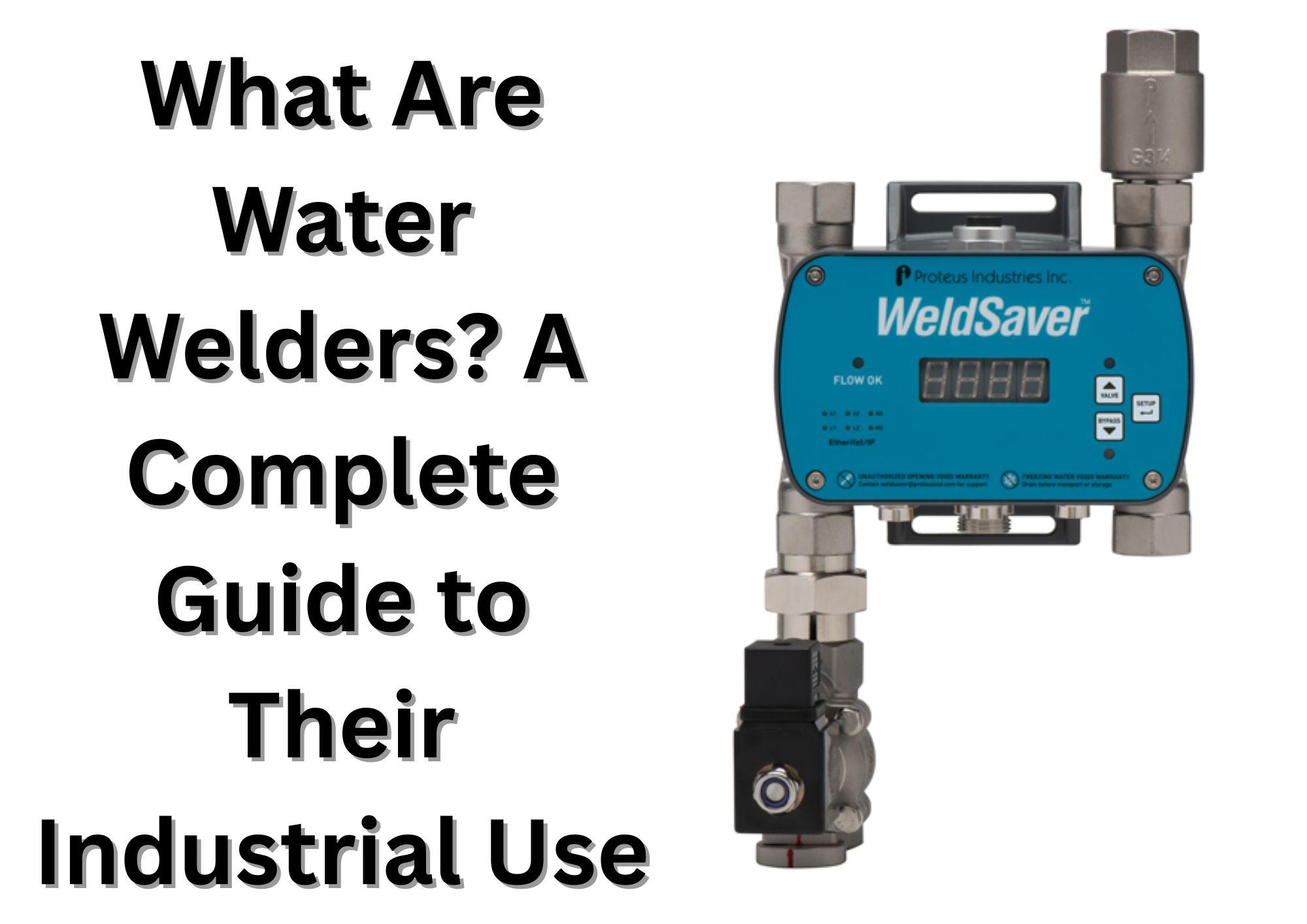
Water-based welding technologies are a unique category of precision welding tools that combine safety and efficiency for specialized applications. These systems are increasingly used across industries where traditional welding methods may pose risks or are unsuitable due to material sensitivity. By relying on advanced processes, these systems enable accurate metal joining and repair while minimizing heat-affected zones and potential distortions.
Among these solutions, water welders have gained prominence for their ability to provide a controlled, precise welding environment. They are particularly effective in applications where clean, high-quality welds are essential. Manufacturers and technicians rely on water welders to perform delicate tasks, ensuring both structural integrity and aesthetic quality in final products.
1. Working Principle and Technology Behind Water Welders
Water welders operate on the principle of using a controlled hydrogen-oxygen flame or a plasma, combined with water cooling or protective systems. This allows for high-temperature welding while minimizing thermal stress on the surrounding materials. The integration of water helps regulate heat distribution, reduces warping, and maintains the strength of the welded components.
Modern water welders are designed with precision controls that regulate gas flow, pressure, and flame intensity. Some systems also include automated or semi-automated features to maintain consistency in repetitive tasks. These technologies ensure that even complex or delicate welds are executed with accuracy, making water welders a reliable choice for specialized industrial processes.
2. Common Industrial Uses of Water Welders
Water welders are widely employed in industries that require exacting standards for metal joining. Common applications include aerospace component fabrication, precision tooling, electronics assembly, and fine metalworking. The ability to produce clean, localized welds makes them particularly suitable for materials that are sensitive to heat or prone to deformation.
In addition, water welders are often used to repair existing equipment, molds, or intricate parts that cannot be welded using traditional methods. Their controlled heat environment allows technicians to restore functionality without compromising the integrity of the surrounding structure. As a result, water welders are considered essential tools in high-precision and maintenance-heavy sectors.
3. Advantages of Water Welders in Industrial Welding Processes
One of the key advantages of water welders is the precision and control they offer during welding. By minimizing heat spread and protecting surrounding areas, these systems reduce the risk of defects such as warping, cracking, or discoloration. This leads to stronger, cleaner, and more durable welds compared to some traditional welding methods.
Another benefit is the versatility of water welders across different metals and alloys. From stainless steel to aluminum and other heat-sensitive materials, these welders can adapt to a variety of applications without compromising quality. This flexibility, combined with minimal post-weld finishing requirements, makes water welders a cost-effective and efficient choice for industrial operations.
4. Safety Standards and Operational Guidelines
Operating water welders requires adherence to strict safety standards due to the involvement of high temperatures, pressurized gases, and complex equipment. Protective measures, including safety goggles, gloves, and proper ventilation, are essential to prevent accidents and exposure to harmful fumes. Operators should also receive comprehensive training to safely operate the equipment.
Additionally, routine maintenance and inspection of water welder systems are critical to ensuring consistent performance and safety. Checking for leaks, wear, and proper calibration helps prevent operational failures and prolongs equipment lifespan. Following established operational guidelines not only protects personnel but also ensures the quality and reliability of welds.
5. Our Industrial Water Welder Solutions and Support Services
Our industrial water welder services focus on delivering reliable solutions for a range of manufacturing and repair applications. We provide guidance on selecting the right system, optimizing welding parameters, and integrating the technology into existing workflows. By offering expert support, we help industries maximize efficiency and precision.
In addition to equipment supply, our services include technical training, troubleshooting, and ongoing maintenance support. This ensures that operators can achieve consistent results and maintain the integrity of their welding operations. Our approach is centered on delivering practical, hands-on solutions that meet the specific requirements of modern industrial environments.
6. Key Factors in Selecting a Water Welder for Industrial Use
Choosing the right water welder requires consideration of multiple factors, including material types, component sizes, precision requirements, and production volume. Selecting an appropriate system ensures that welding tasks are executed efficiently and meet quality standards without unnecessary risk or downtime.
Other important considerations include the control features, power requirements, cooling mechanisms, and automation options of the water welder. Evaluating these elements enables manufacturers to align the system with their workflow, reduce operational challenges, and optimize productivity. Making an informed choice helps ensure both cost-effectiveness and long-term performance.
7. Conclusion: The Role of Water Welders in Modern Industry
Water welders have emerged as a crucial tool for industries requiring precise, efficient, and safe welding solutions. By combining controlled heat, advanced technology, and operator expertise, these systems deliver high-quality welds across a wide range of applications. Their precision, versatility, and reliability make them an integral component of modern manufacturing processes.
With professional guidance and support, water welders can significantly improve production quality, reduce defects, and enhance overall operational efficiency. Their continued evolution underscores the importance of innovative welding technologies in meeting the demands of contemporary industry, ensuring manufacturers remain competitive and maintain high standards of craftsmanship.

 Arabic
 French
 Spanish
 Portuguese
 Deutsch
 Turkish
 Dutch
Dutch
 Italiano
 Russian
 Romaian
 Portuguese (Brazil)
 Greek
Greek