


Dog Gained Weight Suddenly? Understanding the Role of Pet Health Tool
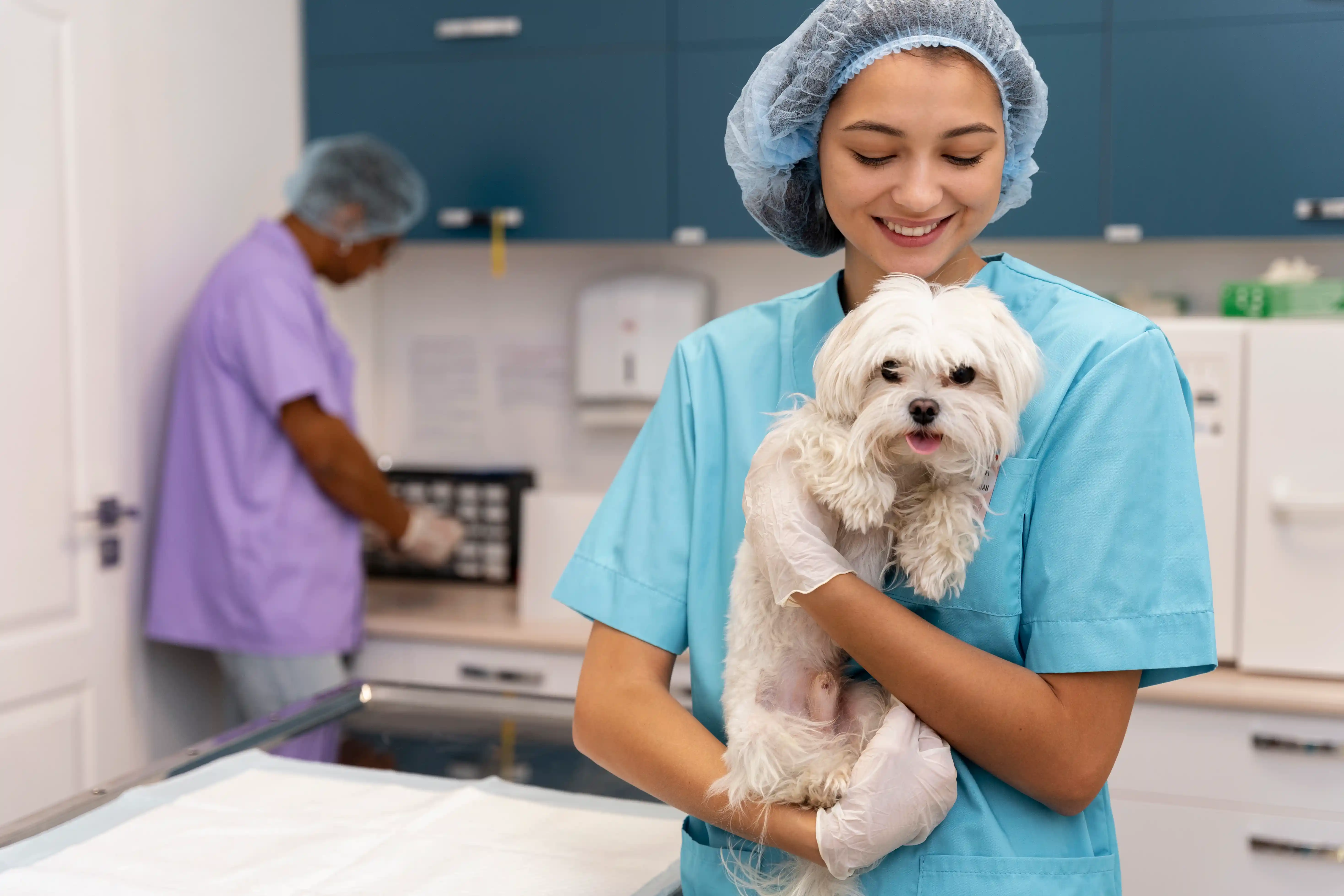
It can be worrying to notice physical changes in your dog within a short period. If your dog gained weight suddenly, it’s important not to ignore it or assume it’s simply due to overeating. Rapid weight gain can sometimes indicate changes in metabolism, lifestyle, or even underlying medical conditions.
Instead of guessing, using reliable pet health tools can help you track the situation accurately and make informed decisions.
What Counts as Sudden Weight Gain?
A slight increase over several months may be normal, especially if activity levels have decreased. However, noticeable changes within a few weeks deserve attention.
You may observe:
-
A rounder belly
-
Loss of a defined waist
-
Heavier breathing during walks
-
Reduced energy
-
Tighter collars or harnesses
When a dog gained weight suddenly without major diet changes, it’s worth investigating further.
Possible Reasons Behind Rapid Weight Gain
Weight gain is not always caused by extra food. Some common reasons include:
-
Lower physical activity
-
Hormonal disorders such as hypothyroidism
-
Side effects of certain medications
-
Fluid retention linked to heart or liver issues
-
Aging-related metabolic slowdown
Identifying the exact cause requires careful observation and sometimes medical testing.
How Pet Health Tools Help You Track Changes
Modern pet health tools allow dog owners to move beyond visual judgment. These tools provide measurable data that makes monitoring more accurate.
Useful tools include:
-
Digital weighing scales
-
Body condition scoring guides
-
Food portion calculators
-
Smart feeding trackers
-
Activity monitoring collars
When your dog gained weight suddenly, consistent tracking helps determine whether the increase is continuing or stabilizing.
Monitoring at Home
Start by weighing your dog at the same time each week. Record the numbers in a notebook or digital app. Note changes in:
-
Appetite
-
Energy levels
-
Bathroom habits
-
Exercise duration
Pet health tools are most effective when used consistently. Small patterns become clearer over time.
When to See a Veterinarian
If rapid weight gain is accompanied by:
-
Swollen abdomen
-
Persistent lethargy
-
Increased thirst
-
Hair thinning
-
Breathing difficulty
Professional evaluation is necessary. In some cases, what appears as weight gain may actually be fluid buildup, which requires immediate care.
Managing Weight Safely
If lifestyle changes are responsible, adjust gradually. Reduce portion sizes slightly and increase daily walks. Avoid crash dieting, as it can create nutritional imbalances.
Using pet health tools like calorie calculators ensures you are feeding the correct amount based on your dog’s size, age, and activity level.
Preventing Future Weight Issues
Prevention is easier than correction. Maintain a routine that includes:
-
Measured meals
-
Limited treats
-
Daily exercise
-
Monthly weight checks
-
Routine veterinary visits
By keeping structured records, you can catch small changes before they become larger concerns.
Final Thoughts
If your dog gained weight suddenly, it’s important to respond with awareness rather than panic. Weight changes often provide early clues about health and lifestyle adjustments.
With the help of reliable pet health tools, you can monitor progress accurately, detect warning signs early, and ensure your dog stays healthy, active, and comfortable for years to come.

 English
 Arabic
 Spanish
 Portuguese
 Deutsch
 Turkish
 Dutch
Dutch
 Italiano
 Russian
 Romaian
 Portuguese (Brazil)
 Greek
Greek