


How to Recycle Waste From Construction?
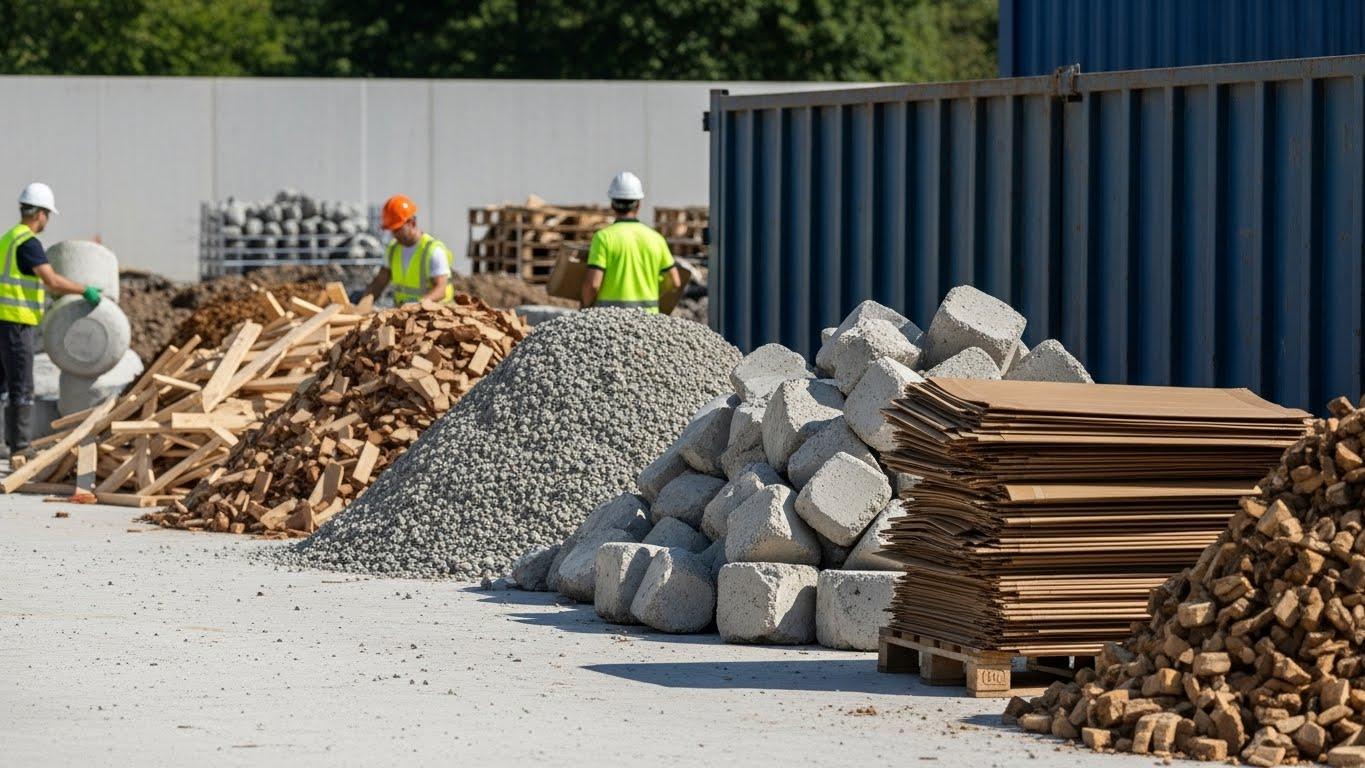
Massive amounts of construction waste are generated every year. Many materials, such as old wood and bricks, metals, concrete, plastics, and glass, end up in piles that pollute the soil and air. Recycling this waste benefits the planet and saves money. It also keeps cities cleaner. Many contractors are learning how to safely and intelligently manage their waste.
People throw away everything, and this fills up landfills, causing pollution. By recycling, materials are given a fresh lease of life. Recycling construction waste is not only about saving the world. It's also about reducing the cost of new projects and using materials more efficiently.
Understanding the Takeoff Role for Recycling Waste
Before any recycling or material planning can start, builders must know exactly what materials will be involved in the project. Construction takeoff is a precise service that provides a detailed breakdown of the quantity and type of materials required or removed from a construction site, helping teams plan efficiently and reduce waste.
During a Construction Takeoff, experts study blueprints and plans to count everything from bricks and tiles to nails and pipes. This helps them know how much material will be left after the job. When builders know the type and amount of waste that will appear, they can plan how to recycle it properly.
For example, if a Construction Takeoff shows that a project will have a large amount of concrete waste, the builder can arrange for a concrete crusher to break it into smaller pieces. These small pieces can be reused for road bases or new foundations. If the takeoff shows many metal parts, they can be sent to metal recycling centers where they will be melted and shaped again.
By planning early, builders make the recycling process easier, faster, and less costly. It also helps reduce the amount of waste going to dumps. In short, Construction Takeoff is the first important step in turning construction waste into useful resources.
Construction Waste Types
Construction waste is available in a wide variety of shapes and sizes. Recycling construction waste is made easier by knowing the various types. Here are some of the most common categories.
-
They are used as heavy construction materials in many buildings. If a house is destroyed, it can be crushed down to use for roads, drives, and pathways.
-
Wood waste is generated from the frames of doors and furniture. The wood can be used in other projects and turned into chips to generate energy.
-
Metals like steel, aluminum, and copper are valuable. The metals are melted again and can be reused in new construction. This saves both energy costs and time.
-
Glass Sheets: You can make glass sheets from the old panels or windows.
-
Plastic pipes, sheets, and containers: These can all be recycled back into plastic lumber or new products.
-
Use the ground-up material from old drywall to produce new drywall. Or, use it for soil improvements.
The recycling industry can make clear plans for the different waste types by identifying them early.
Recyclable Construction Waste
Building Before Construction: Planning
Recycling should begin before the very first brick. Building contractors must create a waste management plan, which includes the steps of separation, collection, and recycling. It is a plan that helps reduce waste, save materials, and cut costs.
Sorting Materials On Site
Waste materials should be stored in separate bins or designated areas. It is difficult to recycle if you combine everything. Concrete, for instance, should not be mixed together with wood or any plastic. Signs that are clear and properly trained workers are very helpful.
Take care of the waste collection
Upon sorting the material, it is taken to a recycling facility. For the safe transport of these materials, trucks or large containers are employed. Some companies use mobile crushers to recycle materials at their site.
Reuse of Materials and their Processing
Recycling centers use machines to break up, melt down, or grind away waste into new products. As an example, metals can be melted or concrete crushed. The materials have been processed to the point where they can be used again in new buildings.
Recording & Reporting
Builders are often responsible for keeping track of their recycling. This shows responsibility as well as helping with future projects. Many cities offer rewards to businesses that reduce their waste or recycle more.
Recycling Construction Materials Offers Many Benefits
Saves Natural Resources
It is less expensive to mine or produce new materials when you reuse old ones. It is a way to protect the forest, river, and land.
Pollution can be Reduced
We will have less air pollution and water contamination if we reduce the amount of waste that is disposed of in landfills. Recycling can also save energy by reducing the amount of material that is made.
How to Save Money
The cost of buying recycled products is lower than the price for new materials. Building contractors can also reduce landfill charges and transportation fees.
Improves Company's Image
When a business recycles, it shows that it cares about the environment. The clients of such companies will be more trusting.
Legal Rules
Many countries require the recycling of waste or proper management. By adhering to these guidelines, you will avoid any fines or penalties as well.
Construction Waste Recycling: The Challenges You Face
Although recycling construction waste offers many benefits, it also poses some challenges.
-
Inadequate Planning: Planning ahead is key to managing waste effectively.
-
Space Limitations: There may be sites that are not large enough to provide separate bins.
-
Lack of Knowledge: Some workers may not understand how to sort garbage correctly.
-
Transport Costs: If you have to travel a long distance in order to recycle your waste, the cost can add up.
-
Mixing or contamination of materials can make recycling difficult.
This challenge can be overcome with proper training, management, as well as better systems for handling waste.
Modern Technologies Used in Recycling
Today's technology allows for faster recycling.
-
Sensors allow automated sorting devices to automatically separate materials based on type.
-
Mobile crushers allow concrete and bricks to be ground on-site.
-
Use 3D tools to measure waste and plan recycling.
-
The use of recycled plastics in environmentally friendly construction is gaining popularity.
-
To improve reporting, digital waste tracking systems can record each step in recycling.
Recycling is now easier, faster, and more cost-effective with these tools.
Community Role and the Government
They play an important role in recycling waste. It sets rules, provides recycling centers, and sets goals for recycling. Some local governments offer tax credits to recyclers.
Communities can assist by choosing firms that utilize recycled materials and support green construction. The media, public events, and schools spread awareness of the importance of recycling for future generations.
Future of Construction Waste Recycling
The future for recycling is promising. There are many new materials designed that can be recycled. Learn eco-friendly construction methods which create little waste. Smart cities are investing in waste to energy plants which turn waste into power.
Through strong teamwork, clean construction can be achieved. Recycling will not just be an added task.
Order Now
Recycling construction debris isn't just about protecting the environment. Recycling waste from construction is more than just saving the planet. Recycling is an excellent way to extend the life of every piece, whether it's a brick or a wood.
Awareness is the initial step. After that comes the planning. Acting is the last stage. Our world becomes cleaner and greener when we use construction takeoff, the right building methods, and recycle centers.
FAQs
Which construction materials are most easily recyclable?
Recyclable materials include concrete, steel, and hardwood.
Why does recycling allow builders to save money?
Recycling reduces landfill charges and costs associated with transportation and waste disposal.
How can construction waste be recycled?
Before recycling can begin, you must first plan the project and organize your recyclables on-site.

 English
 Arabic
 French
 Spanish
 Portuguese
 Deutsch
 Turkish
 Dutch
Dutch
 Russian
 Romaian
 Portuguese (Brazil)
 Greek
Greek