


How Alcohol-Free Red Wine Fits Into a Balanced Lifestyle
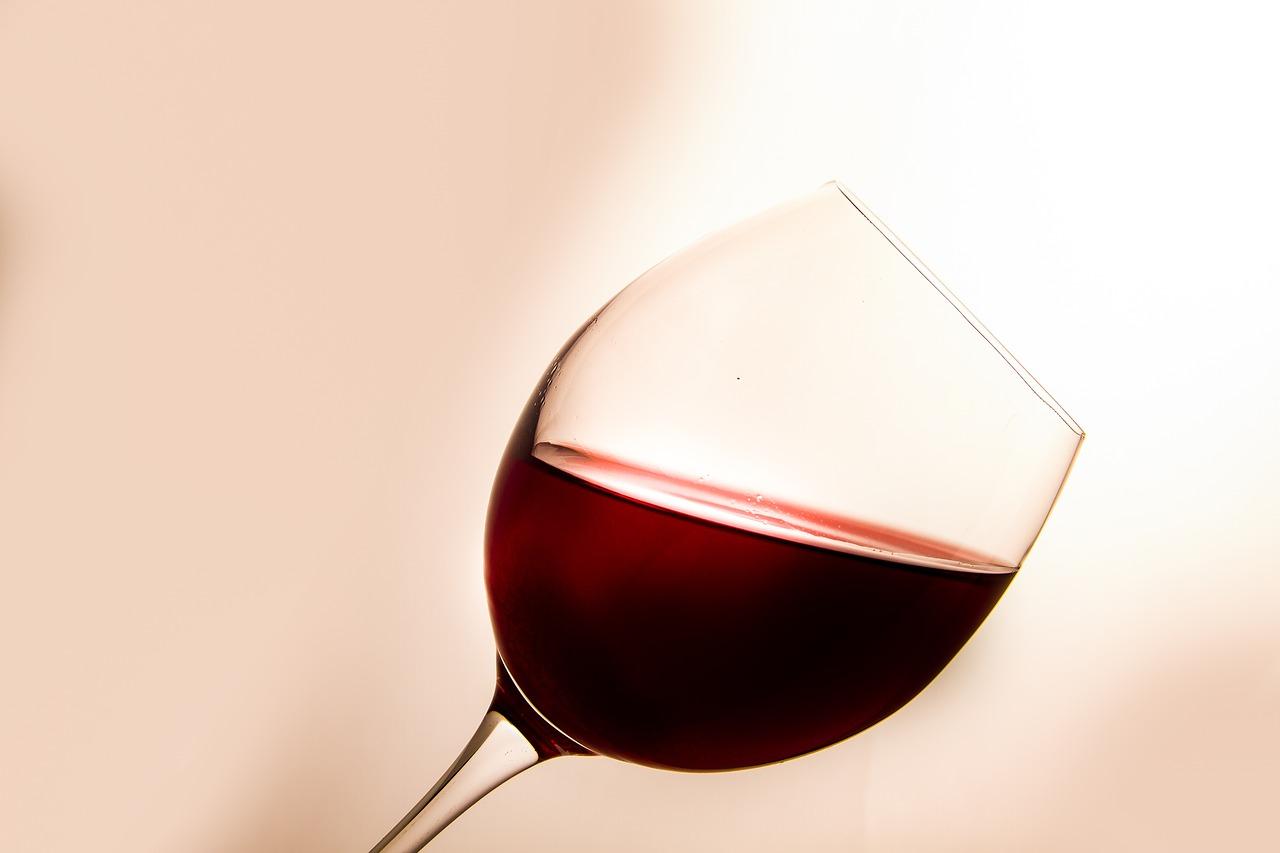
The conversation around health and wellness has expanded to include more mindful approaches to drinking. Many people are reconsidering alcohol consumption, not necessarily giving up the social enjoyment of a glass of wine but seeking alternatives that provide flavor and ritual without the drawbacks of alcohol.
Alcohol-free red wine has emerged as a compelling option, blending tradition with health-conscious living. This article explores how red wine fits into a balanced lifestyle, offering insights into its benefits, uses, and considerations.
Understanding Non Alcoholic Red Wine
Non alcoholic red wine is made similarly to regular red wine but undergoes a process to remove or significantly reduce alcohol content. Typically, the alcohol is removed through techniques such as vacuum distillation, reverse osmosis, or spinning cone technology. These methods aim to preserve the wine's flavor profile, aroma, and appearance while minimizing alcohol content, often reducing it to 0.5% ABV (alcohol by volume) or less.
Unlike grape juice, non alcoholic red wine retains the complexity and subtlety of traditional wine. It features tannins, polyphenols, and natural antioxidants that give red wine its distinctive taste and potential health benefits. For people seeking moderation, alcohol-free red wine offers a way to enjoy the ritual of wine drinking without the intoxicating effects.
The Role of Alcohol-Free Red Wine in a Balanced Lifestyle
A balanced lifestyle emphasizes moderation, mindful choices, and a combination of physical, mental, and social well-being. Alcohol-free red wine fits into this philosophy in several ways:
Promoting Social Enjoyment Without Intoxication
Social gatherings often involve wine as part of dining or celebratory rituals. Alcohol-free red wine allows individuals to participate fully in these experiences without compromising alertness, judgment, or physical performance. It provides a social bridge for those who prefer to avoid alcohol due to personal health, pregnancy, medication interactions, or lifestyle choices.
Supporting Health-Conscious Choices
Moderate wine consumption has been associated with cardiovascular benefits, largely attributed to antioxidants like resveratrol and flavonoids found in red wine. Non alcoholic red wine retains many of these compounds without the harmful effects of ethanol, such as liver strain or increased calorie intake. While research is ongoing, preliminary studies suggest that alcohol-free red wine may contribute to heart health, inflammation reduction, and improved lipid profiles, making it a sensible choice for those aiming to optimize health while enjoying indulgences.
Encouraging Mindful Drinking
Mindful drinking is about being aware of the quantity, quality, and context of alcohol consumption. Non alcoholic red wine supports this mindset, helping people savor flavors, explore tasting notes, and enjoy rituals like decanting, swirling, and pairing with food, all without exceeding recommended alcohol limits. It aligns well with lifestyle strategies such as intermittent fasting or low-alcohol diets, where the focus is on moderation rather than elimination.
Weight Management and Calorie Control
Traditional wine contains calories from both alcohol and sugars. Alcohol-free red wine often has fewer calories, which can make it easier to maintain a healthy weight. When integrated into a balanced diet, it allows individuals to enjoy the sensory experience of wine without the additional caloric load. This is particularly useful for people monitoring their daily intake or pursuing fitness goals.
Culinary Integration
Alcohol-free red wine is versatile in the kitchen. It can replace traditional wine in recipes like sauces, reductions, or marinades, providing the rich flavor of red wine without adding alcohol. For example:
Cooking with Wine: A splash of alcohol-free red wine can enhance a mushroom risotto or beef stew, intensifying flavor while keeping the dish suitable for all family members.
Pairing with Food: Its flavor profile complements a variety of foods—from grilled vegetables and lean proteins to hearty cheeses—allowing those avoiding alcohol to enjoy a full sensory dining experience.
Creative Mixology: Non alcoholic red wine can be used in mocktails or spritzers, mixed with sparkling water or fresh fruit for refreshing, low-calorie beverages.
Mental and Emotional Well-being
A balanced lifestyle is not just physical—it also encompasses mental and emotional health. For many, a glass of wine symbolizes relaxation, comfort, and a pause in a busy day. Alcohol-free red wine can provide this ritualistic satisfaction without the cognitive or emotional downsides of alcohol consumption. This can support stress management, enhance mindfulness, and allow for social connection without impairing focus or mood stability.
Practical Considerations
While alcohol-free red wine offers many advantages, there are a few considerations to keep in mind:
Label Awareness: Look for wines labeled “alcohol-free” or “0.0% ABV” to ensure minimal alcohol content. Some wines labeled “dealcoholized” may still contain trace amounts.
Taste Variability: Different brands vary in flavor intensity and sweetness. Sampling several options can help identify wines that suit individual taste preferences.
Health Considerations: While lower in alcohol, some alcohol-free wines can contain added sugars. Reading nutrition labels and selecting low-sugar options is important for those managing blood sugar or caloric intake.
Social Perception: In social settings, some people may not immediately recognize alcohol-free wine as a distinct option. Having confidence in your choice and communicating your preference can help normalize mindful drinking.
Lifestyle Synergy
Alcohol-free red wine complements a variety of lifestyle approaches:
Fitness-Oriented Lifestyles: For those who prioritize exercise, reducing alcohol intake helps with recovery, sleep, and muscle metabolism. Alcohol-free wine allows occasional indulgence without affecting performance.
Dietary Balance: Its lower calorie content and retained antioxidants align with diets emphasizing whole foods, lean proteins, and nutrient-dense ingredients.
Mindful Living: For individuals practicing mindfulness, meditation, or stress reduction, alcohol-free red wine can be a mindful treat that reinforces intentional living rather than habitual consumption.
Future Trends and Accessibility
The alcohol-free beverage market is growing rapidly, reflecting a broader societal shift toward wellness-oriented consumption. More producers are focusing on quality, flavor, and authenticity, expanding options for consumers. As awareness grows, alcohol-free red wine is becoming more mainstream, available in grocery stores, restaurants, and specialty shops. Its rising popularity indicates that it is no longer a niche product but a viable part of a balanced, health-conscious lifestyle.
Conclusion
Non alcoholic red wine provides a bridge between the enjoyment of traditional wine and the pursuit of a balanced, mindful lifestyle. It offers the taste, aroma, and ritual of red wine while minimizing alcohol-related risks. By promoting social engagement, supporting health-conscious choices, encouraging mindful drinking, and offering culinary versatility, alcohol-free red wine can be seamlessly integrated into a balanced lifestyle.
For anyone seeking to enjoy the pleasures of wine without compromise, alcohol-free red wine represents a thoughtful, modern solution. It empowers individuals to make conscious choices about health, wellness, and indulgence, proving that balance is not about restriction but about enjoyment with intention.

 English
 Arabic
 Spanish
 Portuguese
 Deutsch
 Turkish
 Dutch
Dutch
 Italiano
 Russian
 Romaian
 Portuguese (Brazil)
 Greek
Greek