


2026 Home Protection Guide: Water Damage Restoration Tips for Every Season
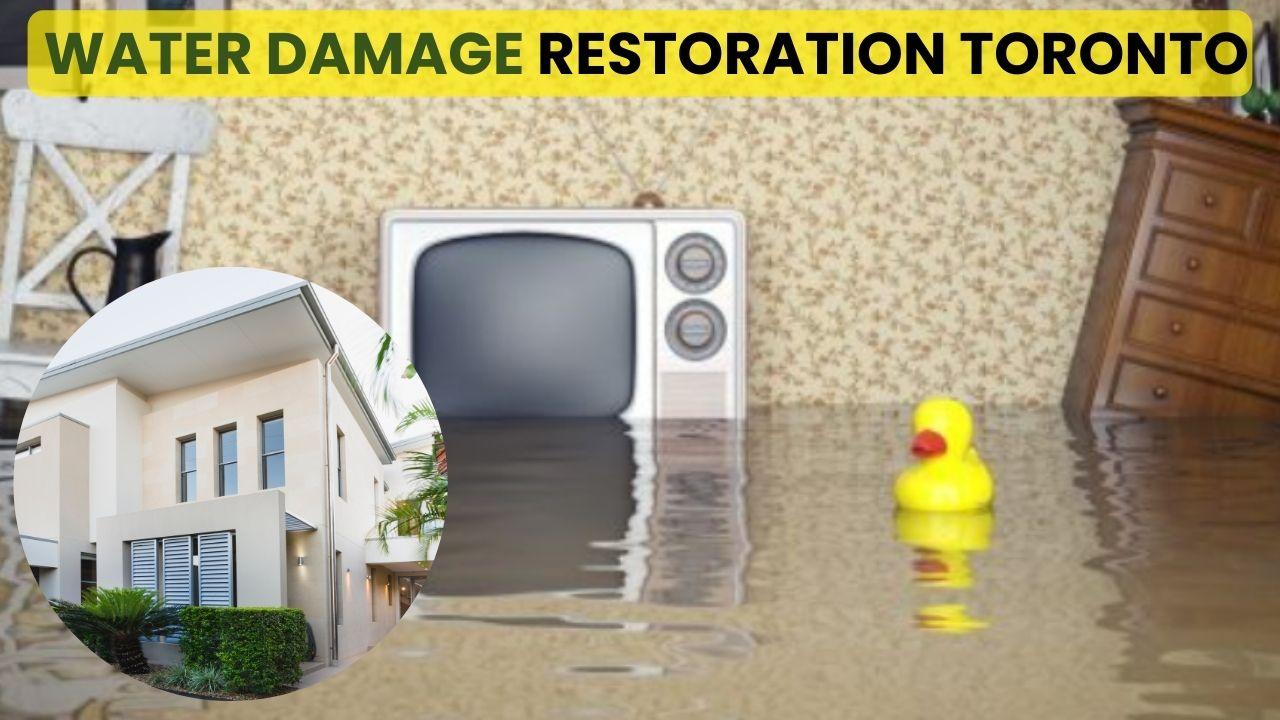
It was a cold January morning in Toronto when Mark noticed a small puddle near his basement wall. He thought it was just melting snow from his boots. Two days later, the smell hit first. Damp. Musty. When he pulled back the drywall, he found soaked insulation and mold starting to form. What began as a tiny leak turned into a costly repair all because the warning signs were easy to miss.
Stories like this are common across Toronto. Water damage does not always arrive with a flood. Sometimes it sneaks in slowly, season by season. That is why understanding how water damage changes throughout the year is one of the smartest ways to protect your home.
This guide breaks down water damage restoration Toronto homeowners should think about in every season, using simple tips, real examples and facts you can act on.
Why Water Damage Is a Year-Round Problem in Toronto
Toronto’s climate is tough on homes. We deal with freezing winters, wet springs, humid summers and unpredictable fall storms. Each season brings different water risks.
According to the Insurance Bureau of Canada, water damage has been the leading cause of home insurance claims in Canada for several years. In Ontario alone, water-related claims cost insurers billions annually. Many of these claims come from preventable issues.
After hours of research into local climate data, insurance reports and restoration trends, one thing is clear. Water damage is not a single event. It is a cycle that changes with the seasons.
Winter: Frozen Pipes and Hidden Leaks
Winter is one of the most dangerous seasons for water damage in Toronto.
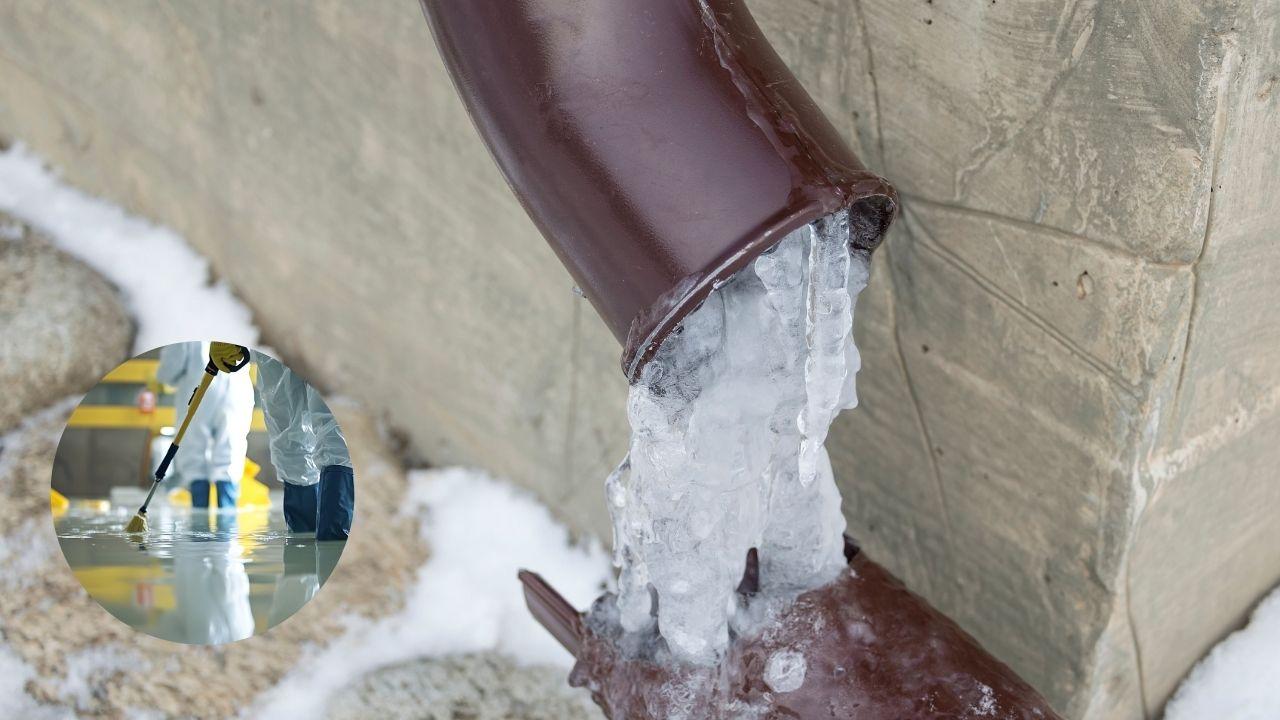
When temperatures drop below freezing, pipes can freeze and burst. This often happens in basements, crawl spaces, garages and exterior walls.
Common winter water risks include:
-
Frozen or burst pipes
-
Ice dams on roofs
-
Leaks caused by heating system failures
A burst pipe can release hundreds of liters of water in minutes. The damage spreads fast, soaking drywall, floors and furniture.
What you can do in winter:
-
Keep indoor temperatures consistent, even when away
-
Insulate exposed pipes
-
Seal air leaks around windows and doors
-
Clear snow buildup from roofs to prevent ice dams
If water damage does occur, acting fast is critical. Professional drying and cleanup stop mold growth and structural damage before it spreads.
Spring: Melting Snow and Basement Flooding
Spring feels like relief after winter, but it is one of the riskiest seasons for basements.
As snow melts, water seeps into the soil around your foundation. If drainage systems are clogged or grading slopes toward your home, water finds its way inside.
The City of Toronto reports that basement flooding spikes during spring thaw and heavy rainfall events.
Spring water damage risks include:
-
Basement flooding
-
Foundation cracks leaking water
-
Overloaded sump pumps
Spring protection tips:
-
Clean eavestroughs and downspouts
-
Extend downspouts away from the foundation
-
Test sump pumps before heavy rain
-
Seal visible foundation cracks
Many homeowners do not realize water damage starts behind walls. That is why professional moisture detection matters during restoration.
Summer: Storms, Humidity, and Mold Growth
Summer brings a different type of water problem. Heavy storms and high humidity create perfect conditions for mold.
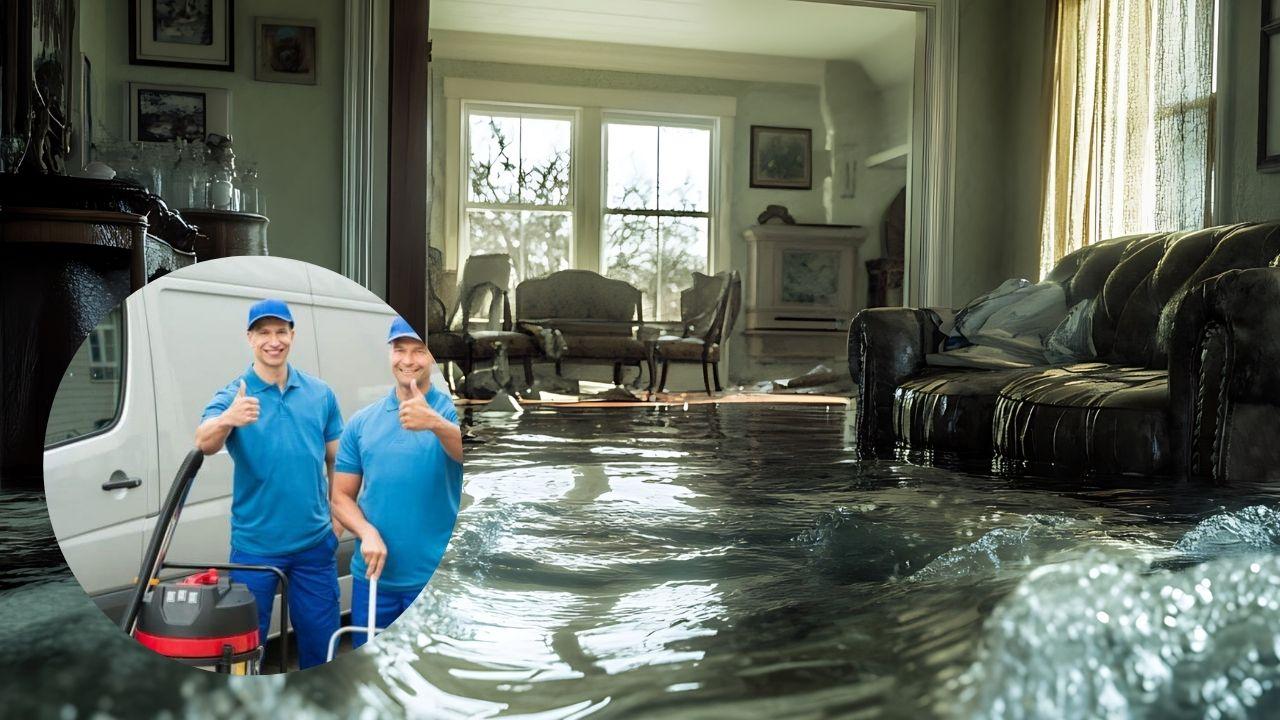
Toronto summers are getting wetter. Environment Canada data shows an increase in intense rainfall events over the past decade.
Summer risks include:
-
Flash flooding from storms
-
Roof leaks from damaged shingles
-
High humidity causing mold growth
Even small leaks become serious in warm, moist air. Mold can start growing within 24 to 48 hours.
Summer prevention steps:
-
Inspect roofs after storms
-
Use dehumidifiers in basements
-
Repair window and door seals
-
Watch for musty smells or stains
When mold risk is involved, proper drying and sanitizing are just as important as water removal.
Fall: Clogged Drains and Heavy Rain
Fall often gets overlooked, but it sets the stage for winter problems.
Leaves clog drains and eavestroughs. Rainwater has nowhere to go and backs up toward the house.
Fall water damage risks include:
-
Blocked drainage systems
-
Roof leaks from debris buildup
-
Poor grading directing water inward
Fall preparation tips:
-
Clean gutters regularly
-
Inspect roof flashing
-
Check drainage around the home
-
Fix minor leaks before winter
Fall is the best time to address small issues before freezing temperatures make repairs harder and more expensive.
What Water Damage Restoration Really Involves
Many people think restoration is just drying water. In reality, it is a detailed process.
Professional water damage restoration services typically include:
-
Emergency water extraction
-
Moisture detection behind walls and floors
-
Structural drying with industrial equipment
-
Cleaning and sanitizing affected areas
-
Mold prevention and odor removal
-
Repairs and rebuilding if needed
Each step protects your home from long-term damage that may not be visible right away.
If you ever need expert help, trusted local professionals offering water damage restoration toronto services provide complete cleanup, drying and restoration solutions designed specifically for Toronto homes and local weather conditions.
Why Fast Action Matters More Than You Think
Delaying restoration costs more in the long run.
According to industry data from the Institute of Inspection Cleaning and Restoration Certification, untreated water damage can:
-
Weaken structural materials
-
Increase mold risk significantly after 48 hours
-
Reduce indoor air quality
-
Raise repair costs by thousands
Quick response limits damage and shortens recovery time.
Insurance and Documentation Tips
Many Toronto homeowners rely on insurance after water damage. But claims depend on proper documentation.
Smart steps include:
-
Taking photos immediately
-
Keeping damaged items until inspected
-
Calling your insurer quickly
-
Using certified restoration professionals
Some insurance policies require professional mitigation to approve claims.
Long-Term Home Protection Strategies
Water damage prevention is not a one-time task. It is ongoing home care.
Long-term strategies include:
-
Annual plumbing inspections
-
Regular roof checks
-
Installing water leak detectors
-
Maintaining proper grading around your home
Small habits make a big difference over time.
Protect Your Toronto Home Before Water Damage Spreads
Water damage rarely starts as a disaster. Most of the time, it begins quietly behind walls, under floors or during seasonal changes we barely notice.
Toronto homeowners who understand how each season brings different risks are better prepared to protect their homes, health and finances.
From frozen pipes in winter to summer storms and fall drainage issues, being proactive matters. And when damage does happen, professional restoration helps your home recover fully, not just on the surface.
Protecting your home is not about fear. It is about awareness, preparation and knowing when to act.

 English
 Arabic
 French
 Spanish
 Portuguese
 Deutsch
 Turkish
 Dutch
Dutch
 Russian
 Romaian
 Portuguese (Brazil)
 Greek
Greek