


Lift for Home Options That Make Aging in Place Easier
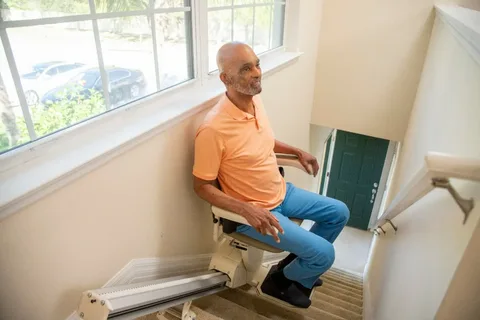
Table of Contents
-
Aging in Place Explained
-
Why Home Lifts Matter
-
Types of Home Lift Systems
-
Lift Costs and Budgeting
-
Safety, Comfort, and Design
-
Installation and Contractors
-
Canada-Specific Lift Options
-
Maintenance and Longevity
-
Future of Home Mobility
Aging in Place: Why Mobility Matters More Than Ever
Aging in place sounds comforting, doesn’t it? Staying in the home you love, surrounded by memories, without the pressure to relocate. But here’s the catch—stairs don’t age as gracefully as we do. What once felt effortless can slowly turn into a daily obstacle course.
That’s where a lift for home becomes a game-changer. It’s not about luxury anymore; it’s about independence, dignity, and safety. Think of it as adding power steering to your house—suddenly, movement feels smooth again.
Why a Lift for Home Is No Longer a Luxury
Once upon a time, home elevators were reserved for mansions and movie stars. Today? They’re becoming as practical as walk-in showers.
A home lift for elderly homeowners:
-
Reduces fall risk
-
Makes multi-story living possible again
-
Adds long-term property value
-
Supports caregivers and family members
Whether you’re planning ahead or responding to mobility changes, installing a lift is proactive—not reactive.
Types of Lift for Home Solutions
Not all homes (or homeowners) are the same. Luckily, lift technology has evolved to fit almost any layout.
Hydraulic Home Lifts
Smooth, powerful, and reliable. These are ideal for homes with space for a shaft and machine room.
Traction Home Elevators
Energy-efficient and quiet. Great for modern homes looking for sleek performance.
Shaftless Home Lifts
Perfect for retrofits. Minimal construction, maximum convenience.
Personal Elevators
Compact, stylish, and designed specifically for residential use. Ideal when space is tight but comfort is non-negotiable.
Lift for Home Options for Seniors
Aging in place means designing around comfort. Seniors benefit from:
-
Soft-start technology
-
Wide doors and low thresholds
-
Simple push-button controls
-
Seating options
-
Non-slip flooring
A home lift for elderly users isn’t just functional—it’s confidence-boosting.
Home Elevator Cost: What Should You Expect?
Let’s talk numbers—without the confusion.
| Lift Type | Estimated Cost Range |
|---|---|
| Shaftless Lift | $15,000 – $25,000 |
| Hydraulic Elevator | $25,000 – $40,000 |
| Traction Elevator | $30,000 – $50,000 |
| Luxury Personal Elevator | $40,000+ |
Factors That Influence Cost
-
Number of floors
-
Elevator dimensions
-
Custom finishes
-
Installation complexity
-
Local labor costs
Lift Dimensions and Space Planning
Before installation, space planning is critical. Typical considerations include:
-
Door height clearance
-
Weight capacity
-
Wheelchair accessibility
-
Ceiling height
Even small homes can support elevators today—thanks to modern compact designs.
Lift for Home Installation: What the Process Looks Like
Installing a lift isn’t chaos—it’s choreography.
-
Home assessment
-
Design and permits
-
Structural preparation
-
Lift installation
-
Safety inspection
Professional elevator contractors near me ensure everything flows smoothly.
Choosing Elevator Contractors Near Me
Your contractor matters as much as the elevator itself.
Look for:
-
Residential elevator experience
-
Transparent pricing
-
Local references
-
Maintenance support
-
Warranty coverage
A good contractor doesn’t sell pressure—they sell peace of mind.
Lift for Home Safety Features
Safety isn’t optional—it’s essential.
| Feature | Purpose |
|---|---|
| Emergency Stop | Instant halt if needed |
| Battery Backup | Works during power outages |
| Door Sensors | Prevents accidental closing |
| Handrails | Extra balance support |
| Phone/Alarm System | Emergency communication |
Bold Reminder:
Safety features are not upgrades—they’re necessities.
Lift for Home Options in Canada
Canadian homeowners face unique challenges—weather, codes, and construction styles.
Popular options include:
-
Home lifts Canada-approved for cold climates
-
Energy-efficient systems
-
Compact designs for older homes
-
Affordable home elevators Canada residents can maintain
From Ontario to British Columbia, residential elevators are becoming mainstream.
Maintenance and Long-Term Value
Think of your lift like a car—it needs care.
Routine maintenance:
-
Extends lifespan
-
Prevents breakdowns
-
Keeps warranties valid
-
Ensures safety compliance
Well-maintained residential elevators also increase resale value significantly.
The Future of Lift for Home Living
Smart technology is stepping in—literally.
Expect:
-
Touchless controls
-
App-based monitoring
-
Sleeker cabin designs
-
Quieter motors
-
Faster installations
Home lifts are no longer future tech—they’re present-day solutions.
Conclusion
A lift for home isn’t about giving up independence—it’s about protecting it. Aging in place should feel empowering, not limiting. With modern designs, flexible pricing, and senior-friendly features, home lifts make it possible to live fully, freely, and safely—on every floor of your home.
If stairs are becoming a question mark, a lift might just be the answer.
FAQs
1. Is a lift for home safe for elderly users?
Yes, modern home lifts are designed with multiple safety systems, making them extremely safe for seniors.
2. How much space do I need for a home lift?
Some shaftless lifts require surprisingly little space—sometimes less than a closet.
3. Does a home lift increase property value?
Absolutely. Accessibility upgrades are increasingly attractive to buyers.
4. Can I install a lift in an existing home?
Yes, many lifts are specifically designed for retrofitting older homes.
5. How long does installation usually take?
Most residential lifts are installed within 1–3 weeks, depending on complexity.
Sponsored article: connect.sampidia

 English
 Arabic
 French
 Spanish
 Portuguese
 Deutsch
 Turkish
 Dutch
Dutch
 Italiano
 Russian
 Romaian
 Greek
Greek