


Conditions Treated with Cervical Disc Fusion Surgery
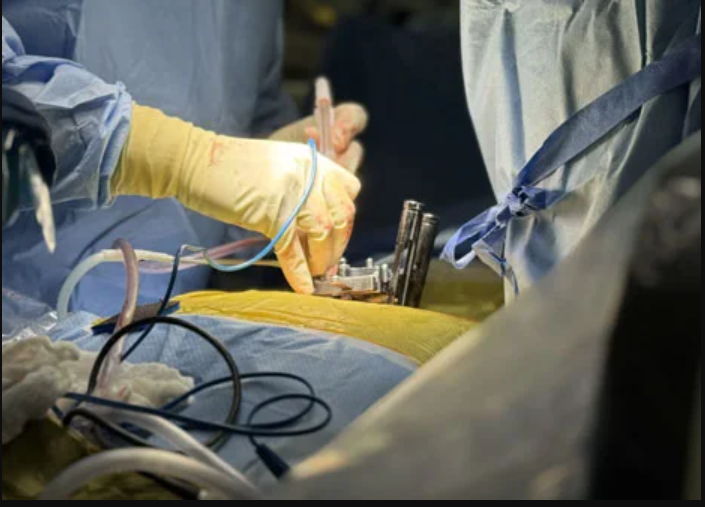
Cervical disc fusion surgery is a common and effective procedure used to treat a range of degenerative, traumatic, and structural conditions affecting the cervical spine—the seven vertebrae in the neck that support the head and allow for its movement. This surgical intervention is primarily considered when conservative treatments such as physical therapy, medications, and injections have failed to provide adequate relief. The surgery involves removing a damaged or herniated disc and fusing the adjacent vertebrae together, stabilizing the spine and alleviating pressure on the spinal cord or nerve roots.
One of the most frequent conditions treated with cervical disc fusion is cervical disc herniation. When the soft inner material of a spinal disc protrudes through its outer layer, it can compress nearby nerves, leading to pain, numbness, tingling, or weakness that radiates from the neck into the shoulders, arms, and hands—a condition known as cervical radiculopathy. Similarly, cervical spondylosis, or age-related wear and tear of the spinal discs and joints, often results in disc degeneration and bone spur formation, which can narrow the spinal canal or nerve passageways, contributing to chronic pain and neurological symptoms.
Spinal instability is another key indication for cervical fusion. This can result from trauma, such as fractures or dislocations from accidents, or from degenerative changes that compromise the spine's structural integrity. Spinal deformities like cervical kyphosis—an abnormal forward curvature of the neck—may also be corrected through fusion to restore proper alignment and function.
In more severe cases, cervical stenosis—the narrowing of the spinal canal in the neck—can compress the spinal cord itself, leading to a serious condition called myelopathy. Symptoms of cervical myelopathy may include difficulty with balance, coordination, fine motor skills (such as buttoning a shirt), and in advanced cases, bowel or bladder dysfunction. Cervical disc fusion is often performed to decompress the spinal cord and prevent further neurological deterioration.
Additionally, patients with tumors or infections affecting the cervical spine may require fusion surgery to stabilize the region after removal of abnormal tissue. While artificial disc replacement is an alternative for some patients, fusion remains a gold standard for providing long-term stability, particularly in cases involving multiple levels of the spine, significant degeneration, or instability.
Overall, Cervical disc fusion surgery is a well-established surgical option that can significantly improve quality of life for patients suffering from debilitating neck and arm pain or neurological deficits. With advancements in surgical techniques, such as minimally invasive approaches and improved bone graft materials, recovery times have shortened, and outcomes have improved. However, as with any surgery, the decision to proceed is made carefully, weighing the patient’s specific diagnosis, symptoms, and overall health to ensure the best possible result.

 English
 Arabic
 French
 Spanish
 Portuguese
 Deutsch
 Turkish
 Italiano
 Russian
 Romaian
 Portuguese (Brazil)
 Greek
Greek