


Best Way to Clean Kitchen Doors at Home
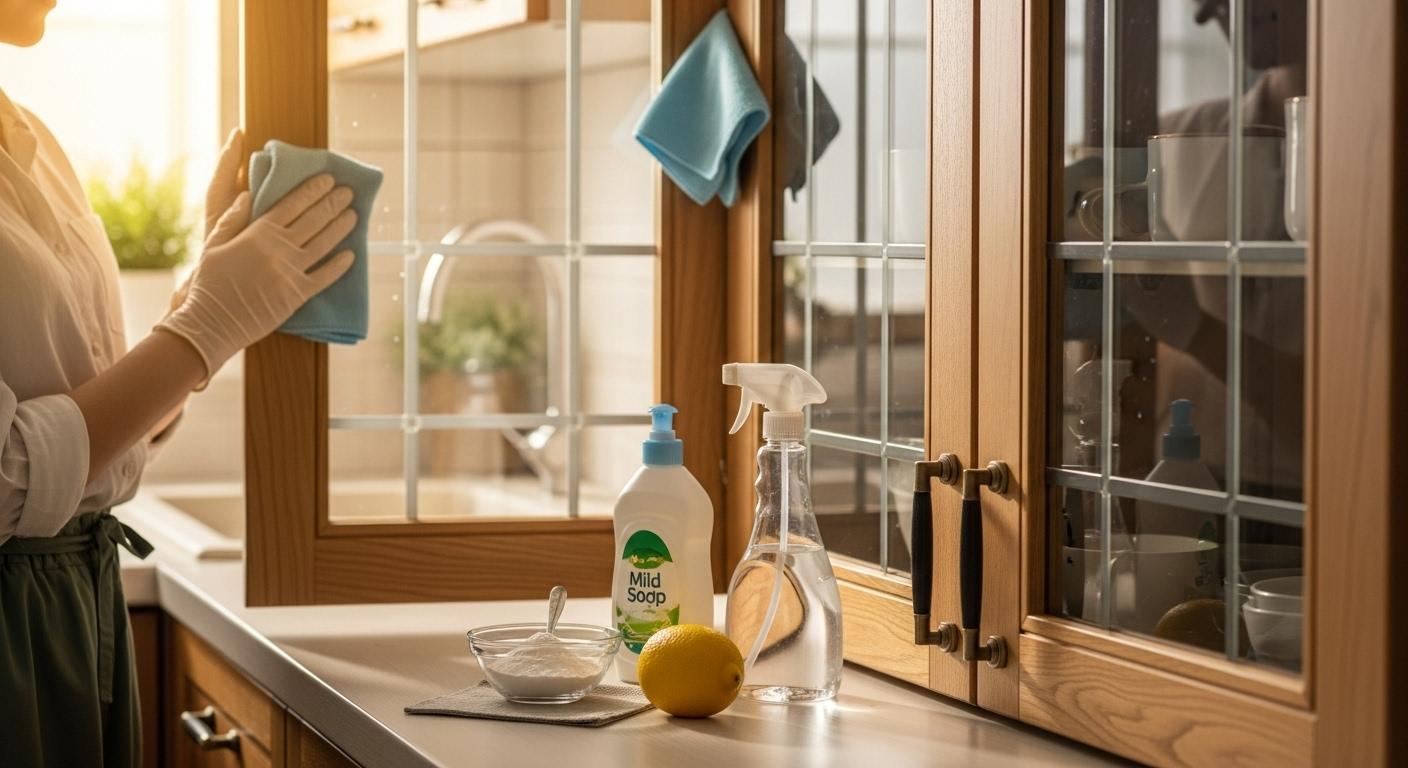
The kitchen is one of the most frequently used areas in any home. Due to constant cooking, oil splashes, steam, and daily handling, kitchen doors tend to get dirty much faster than other household surfaces. Over time, grease buildup, fingerprints, food stains, and dust can make cabinets look dull, sticky, and unhygienic, even if the rest of the kitchen appears clean.
For homeowners looking for practical solutions, cleaning kitchen doors properly is an essential part of maintaining a fresh, healthy, and visually appealing kitchen. This detailed guide explains simple daily cleaning habits, effective deep-cleaning methods, and safe techniques suitable for wooden, laminate, painted, MDF, and glass kitchen doors all using affordable tools and easily available ingredients.
Why Cleaning Kitchen Doors Regularly Is Important
Many people focus on cleaning kitchen countertops, sinks, and floors but often overlook cabinet doors. This neglect can lead to long-term damage and hygiene concerns that are difficult to reverse later.
Benefits of Regular Kitchen Door Cleaning
Regular maintenance of kitchen doors offers several long-term advantages:
-
Removes accumulated grease and oil layers
-
Reduces bacteria, germs, and allergens
-
Keeps cabinets looking clean, bright, and well-maintained
-
Prevents unpleasant odors caused by food residue
-
Extends the lifespan of kitchen cabinets and finishes
Consistent care not only improves the appearance of your kitchen but also creates a healthier environment for food preparation.
Things to Prepare Before Cleaning Kitchen Doors
Proper preparation makes the cleaning process easier, safer, and more effective. Using the right tools prevents surface damage and saves time.
Essential Cleaning Tools
-
Microfiber cloths for gentle wiping
-
Soft, non-abrasive sponge
-
Old toothbrush for handles, hinges, and corners
-
Spray bottle for homemade solutions
-
Bowl of warm water
Natural Cleaning Ingredients
-
Mild dishwashing liquid
-
White vinegar
-
Baking soda
-
Lemon juice
These ingredients are widely available, cost-effective, environmentally friendly, and safe for most kitchen cabinet materials.
Best Way to Clean Kitchen Doors at Home (Step-by-Step Guide)
Step 1: Dry Dusting the Doors
Always begin by removing loose dust and debris before using any liquid cleaner.
-
Use a dry microfiber cloth
-
Wipe the surface, edges, and corners
-
Pay special attention to handles and areas near the stove
Dry dusting prevents dirt from spreading and stops dust from turning into stubborn stains when moisture is added.
Step 2: Prepare a Grease-Cutting Cleaning Solution
Grease is the most common problem on kitchen doors, especially near cooking zones.
DIY Kitchen Door Cleaner
-
1 cup warm water
-
1 tablespoon dishwashing liquid
-
1 tablespoon white vinegar
Mix the ingredients thoroughly and pour the solution into a spray bottle. This combination works as a gentle yet effective natural degreaser.
Step 3: Gently Scrub the Surface
-
Lightly spray the solution onto the door surface
-
Allow it to sit for one to two minutes to loosen grease
-
Wipe using a soft sponge or microfiber cloth in circular motions
Use an old toothbrush to carefully clean:
-
Door handles
-
Hinges
-
Corners and edges
Avoid excessive pressure, particularly on wooden or painted doors, as harsh scrubbing can damage the finish.
Step 4: Rinse and Dry Properly
-
Wipe off the cleaning solution with a damp cloth
-
Dry immediately using a clean microfiber cloth
Proper drying prevents water marks, streaks, and moisture damage that can weaken cabinet surfaces over time.
How to Clean Kitchen Doors Based on Material
Different materials require different cleaning approaches. Using the wrong method can shorten the life of your cabinets.
1. Wooden Kitchen Doors
Wood is sensitive to moisture and harsh chemicals.
Best Method
-
Mild dish soap mixed with warm water
-
Soft cloth only
-
Avoid soaking the surface
Pro Tip: Applying wood polish once a month helps maintain shine and protects the natural finish.
2. Laminate Kitchen Doors
Laminate doors are durable but tend to attract grease quickly.
Recommended Cleaning Options
-
Vinegar and water solution for regular cleaning
-
Baking soda paste for stubborn stains
Always use a non-abrasive sponge to avoid scratches and surface dullness.
3. Painted or MDF Kitchen Doors
Painted and MDF doors can lose their finish if cleaned aggressively.
Safe Cleaning Method
-
Mild soap solution
-
Microfiber cloth
-
Gentle wiping motions
Avoid
-
Steel scrubbers
-
Strong chemical sprays
4. Glass Kitchen Doors
Glass doors easily show fingerprints and smudges.
Best Cleaning Method
-
Vinegar and water spray
-
Wipe with newspaper or microfiber cloth
This technique leaves glass doors clear and streak-free.
Removing Tough Grease and Old Stains from Kitchen Doors
For heavy grease buildup, especially near stoves, deeper cleaning is sometimes necessary.
Baking Soda Paste Method
-
Mix baking soda with a small amount of water
-
Apply the paste to greasy or stained areas
-
Leave it on for 10–15 minutes
-
Gently scrub and wipe clean
This method is highly effective for deep cleaning without damaging surfaces.
Natural Cleaners vs Chemical Cleaners
|
Natural Cleaners |
Chemical Cleaners |
|
Eco-friendly and safe |
Fast but often harsh |
|
Budget-friendly |
Can damage paint or finish |
|
No toxic fumes |
Strong chemical odor |
Expert Recommendation: Natural cleaning methods are safer for long-term kitchen cabinet care and daily household use.
How Often Should You Clean Kitchen Doors?
-
Light cleaning: Once a week
-
Deep cleaning: Every 1–2 months
-
Handles and edges: Every 2–3 days
A consistent routine prevents heavy grease buildup and reduces the effort needed for deep cleaning.
Common Mistakes to Avoid While Cleaning Kitchen Doors
-
Using excessive water
-
Scrubbing with steel wool
-
Spraying chemicals directly onto surfaces
-
Leaving doors wet after cleaning
Avoiding these mistakes helps preserve the cabinet finish and structure.
Maintenance Tips to Keep Kitchen Doors Clean Longer
-
Always use the exhaust fan while cooking
-
Wipe oil splashes immediately
-
Clean handles frequently
-
Follow a monthly deep-cleaning routine
Simple habits significantly reduce dirt accumulation and extend cabinet life.
Conclusion
Keeping kitchen doors clean does not require expensive products, harsh chemicals, or professional services. With the right tools, simple natural ingredients, and a consistent cleaning routine, you can maintain cabinets that look fresh, hygienic, and well cared for throughout the year. Effective grease removal from kitchen doors is mainly about regular attention and using gentle methods that break down oil buildup without damaging the surface.
When kitchen doors are cleaned properly, they not only enhance the overall appearance of your kitchen but also create a healthier environment by reducing bacteria, odors, and sticky residue. Over time, regular care helps preserve cabinet finishes, prevents long-term damage, and extends the lifespan of your kitchen furniture. By applying these practical cleaning methods and making maintenance a habit, you can enjoy a cleaner, brighter, and more inviting cooking space every day.
(FAQs)
1. What is the best way to clean greasy kitchen doors?
A mixture of dish soap and vinegar is highly effective for removing grease.
2. Is baking soda safe for wooden kitchen doors?
Yes, when used gently and without excessive scrubbing.
3. How often should kitchen doors be cleaned?
Weekly light cleaning and monthly deep cleaning work best.
4. Can vinegar damage kitchen cabinet paint?
Yes, if used undiluted. Always mix it with water.
5. How can grease buildup be prevented?
Use an exhaust fan and wipe surfaces regularly.
6. Which cloth is best for cleaning kitchen doors?
Microfiber cloths are the safest and most effective.
7. Are chemical cleaners safe for cabinets?
They work quickly but may cause long-term damage.
8. How should kitchen door handles be cleaned?
Use a toothbrush with a mild soap solution.
9. Does lemon help remove grease?
Yes, lemon acts as a natural degreaser.
10. What is the best natural method for deep cleaning?
Baking soda paste combined with a vinegar solution.

 English
 Arabic
 French
 Spanish
 Portuguese
 Deutsch
 Turkish
 Italiano
 Russian
 Romaian
 Portuguese (Brazil)
 Greek
Greek