


Grab Wagon Hire: Cost, Tips, and What You Need to Know
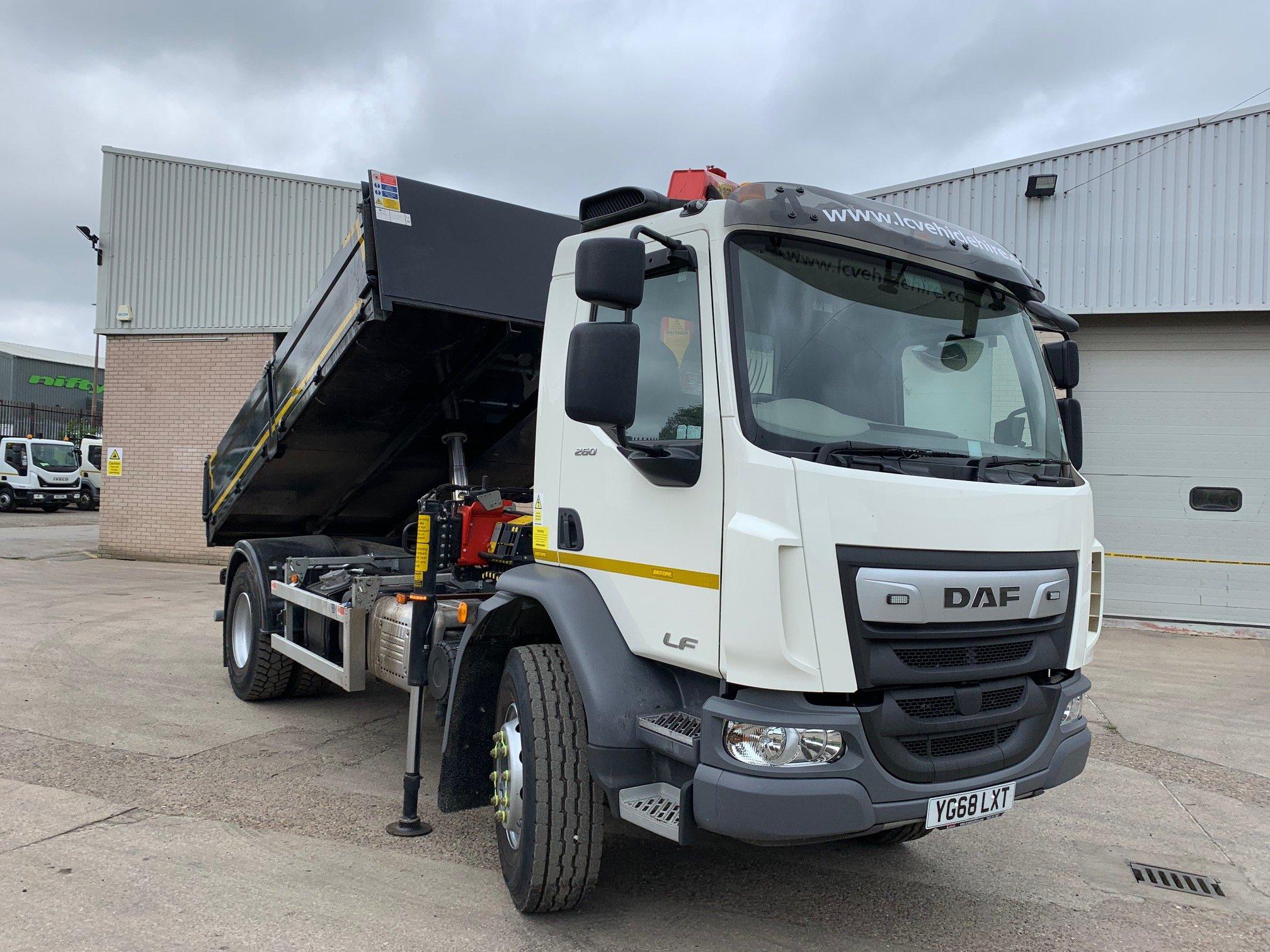
If you’re planning a renovation, landscaping project, construction job, or major clean-out, you’ve probably heard of grab wagon hire. These versatile machines make moving large amounts of waste, soil, rubble, or green waste much easier, and they’re increasingly popular for both homeowners and tradespeople. But what exactly is a grab wagon? How much does it cost to hire one? And how can you make sure you’re getting value for money? This guide answers all that and more.
What Is a Grab Wagon?
A grab wagon (also called a grab truck, grab hire, or truck and grab) is a specialized vehicle equipped with a hydraulic arm and grab bucket. Imagine a small excavator mounted on a truck with the ability to pick up loose materials and place them directly into the tray — that’s essentially what a grab wagon does.
Unlike traditional skip bins, which require you to load waste by hand, a grab wagon scoops up waste and debris with its hydraulic claw. This makes it much faster to clear bulky materials like soil, brick, concrete, and green waste.
The name grab hire comes from the way the machine grabs your waste.
Why Choose Grab Wagon Hire?
There are several advantages to hiring a grab wagon instead of a traditional skip or dumpster:
1. Faster Loading
The hydraulic arm can lift and deposit material quickly, reducing labour time.
2. Less Heavy Lifting
You don’t need to manually lift heavy items — the machine does it for you.
3. Ideal for Hard‑to‑Reach Areas
The extendable arm can reach over fences, walls, or obstacles to grab waste from difficult spots.
4. Good for Mixed Waste
Grab wagons can handle both heavy and light materials, including soil, concrete, timber, and green waste.
5. Flexible Service
Most providers offer single loads, multiple trips, and can tailor service to your project size.
Typical Uses
Grab wagon hire is commonly used for:
- Garden and green waste clearance
- Soil removal after landscaping
- Rubble and demolition debris
- Construction site clean‑up
- House renovation waste
- Tree and hedge removal debris
If your project generates large volumes of waste that are heavy or awkward to handle, a grab wagon might be the right choice.
How Much Does Grab Wagon Hire Cost?
The cost of hiring a grab wagon varies depending on factors like location, provider, load size, and type of material. However, here’s a breakdown of what you can generally expect:
1. Size of Load
Grab wagons are measured in cubic metres (m³) or yards (in countries like the U.S.). Common sizes include:
- 4–6 m³
- 8–10 m³
- 10–12 m³
- 12–14 m³
Larger loads cost more, but bigger wagons can be more cost‑effective if you have lots of waste.
2. Cost by Volume
Typical cost ranges (these are approximate and can vary based on region and provider):
- 4–6 m³: $150 – $300
- 8–10 m³: $250 – $450
- 10–12 m³: $350 – $600
- 12–14 m³: $450 – $800+
These prices usually include a single trip to pick up and dispose of the waste.
3. Type of Material
Some materials are charged differently:
- Green waste is usually cheaper to dispose of.
- Rubble and soil can be more expensive due to tipping fees.
- Hazardous waste (e.g., asbestos, chemicals) may incur extra charges or require special handling.
4. Access and Location
If the truck has to navigate narrow streets or difficult access, some companies may charge more.
5. Multiple Trips
If your waste volume exceeds the wagon size you chose, providers may charge per additional load.
How to Get a Good Price
Here are some tips to save money and avoid surprises:
1. Get Multiple Quotes
Ask at least three local suppliers for quotes. Prices can vary significantly.
2. Be Clear About Your Waste
Tell the provider exactly what type of material you’re disposing of. Mis‑classification can lead to surcharge fees.
3. Measure Your Waste
Estimate the volume (in cubic metres or yards) so you choose the right wagon size. Overestimating can cost you extra; underestimating might require another booking.
4. Check for Hidden Fees
Ask about:
- Tipping fees
- Fuel surcharges
- Waiting time charges
- Access fees
A low headline price might hide extra costs.
5. Choose Off‑Peak Times
Some companies offer cheaper rates during quieter days or seasons.
What to Know Before the Truck Arrives
To make the job go smoothly, prepare in advance:
1. Clear the Area
Make sure the loading spot is accessible and free of obstacles.
2. Mark Boundaries
If you have a specific pile to be cleared, mark its boundaries with cones or tape.
3. Check Overhead Obstructions
Ensure there are no low wires or branches that could interfere with the grab arm.
4. Safety First
Keep people clear of the truck area while it’s operating.
Typical Grab Hire Process
Here’s what you can expect when hiring a grab wagon:
1. Book the Job
You call or book online, providing details about your waste.
2. Provider Confirms
They confirm availability, price, and truck size.
3. Job Day
The grab truck arrives, usually within a set time window.
4. Loading
The operator uses the hydraulic arm to pick up waste and load it into the wagon.
5. Disposal
Once loaded, the truck takes the waste to a licensed disposal facility.
Safety and Regulations
While most of the work is done by the operator, you still need to be aware of:
- Local council rules about waste disposal
- Permits to place the wagon on the street (if needed)
- Height and weight restrictions on your property access
Always check local regulations before booking.
Pros and Cons of Grab Wagon Hire
Here’s a snapshot of the advantages and limitations:
Pros
✔ Fast and efficient waste removal
✔ Reduces manual labour
✔ Flexible for different waste types
✔ Good for hard‑to‑reach places
Cons
✘ Can be costlier than a small skip for light waste
✘ Not suitable for very large volumes compared to roll‑on/roll‑off containers
✘ May require street permits
Is Grab Wagon Hire Worth It?
For most homeowners and tradespeople dealing with bulky or heavy waste, grab wagon hire is worth considering. It saves time, reduces manual effort, and often makes clean‑up projects more efficient. If you’re clearing large volumes of rubble, soil, or garden waste, it can be more cost‑effective than hiring labourers or loading by hand.
However, if your project generates mostly light domestic waste (like household rubbish), a skip bin might be cheaper.
Conclusion
Grab wagons are versatile, powerful machines that make waste removal easy and efficient — especially for heavy, bulky, or hard‑to‑reach loads. When hiring one, understanding how costs are structured, preparing your site, and choosing the right provider can save you both time and money.
By getting multiple quotes, estimating waste accurately, and knowing what to expect, you’ll be in a strong position to choose the right service for your project.
Whether you’re renovating your home, landscaping your garden, or cleaning up a construction site, understanding grab wagon hire will help you plan better, avoid hidden costs, and get the job done right.

 English
 Arabic
 French
 Spanish
 Portuguese
 Turkish
 Dutch
Dutch
 Italiano
 Russian
 Romaian
 Portuguese (Brazil)
 Greek
Greek