


PAT Testing Cost Complete Guide to Pricing, Factors electrical equipment
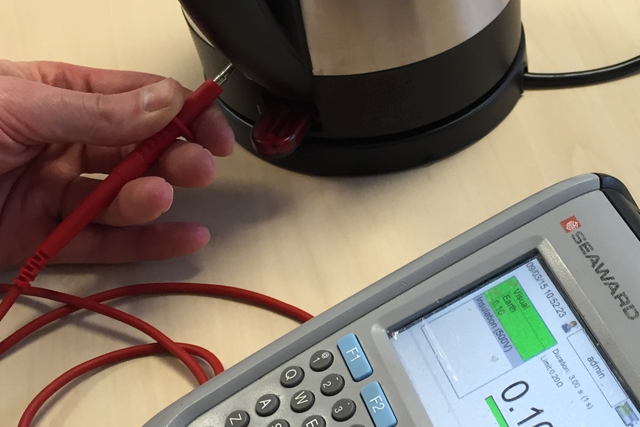
Portable Appliance Testing (PAT Testing) is a vital part of electrical safety management for businesses, landlords, and organisations across the UK. One of the most common questions people ask before booking a service is.
The cost of PAT Testing Cost depending on several factors, including the number of appliances, the type of property, and the location. Understanding these costs helps you budget effectively while ensuring compliance with electrical safety regulations.
In this guide, we break down PAT testing costs, pricing structures, what affects the final price, and how to get the best value for money.
What Is PAT Testing?
PAT testing involves inspecting and testing electrical appliances to ensure they are safe for continued use. It typically includes:
-
A visual inspection of plugs, cables, and appliance casing
-
Electrical testing using calibrated testing equipment
-
Labelling appliances as pass or fail
-
Providing a PAT test report or certificate
While PAT testing itself is not a legal requirement, UK regulations require electrical equipment to be maintained in a safe condition. PAT testing is the most recognised way to demonstrate compliance.
Average PAT Testing Cost in the UK
PAT testing prices are usually calculated in one of three ways:
Cost Per Appliance
This is the most common pricing method, especially for offices and rental properties.
-
£1 to £3 per appliance for standard equipment
-
Larger or specialist appliances may cost slightly more
The more appliances you have, the lower the cost per item usually becomes.
Hourly Rate
Some providers charge by the hour, which can be suitable for small jobs.
-
£40 to £60 per hour
-
Best for properties with a limited number of appliances
Hourly rates are often used when the total appliance count is uncertain.
Day Rate
For large commercial premises, factories, or schools, a daily rate is often more cost-effective.
-
£200 to £300 per day
-
Ideal for testing hundreds of appliances
This option provides excellent value for large-scale testing.
Typical PAT Testing Costs by Property Type
Offices
-
Small office (20–50 appliances): £60–£150
-
Medium office (50–150 appliances): £150–£300
-
Large office (200+ appliances): £300+
Rental Properties
-
Studio or one-bed flat: £40–£70
-
House or apartment with supplied appliances: £60–£120
Landlords & HMOs
-
Multiple properties tested together often receive discounted rates
-
Large HMOs may cost £150–£300+, depending on size
Shops & Retail Units
-
Small retail unit: £80–£150
-
Large stores: £200+
What Factors Affect PAT Testing Cost?
Several factors influence how much you’ll pay for PAT testing:
Number of Appliances
More appliances usually mean a lower per-item cost, but a higher overall price.
Type of Equipment
Simple items like kettles and monitors cost less to test than industrial or high-risk equipment.
Location
Prices may be higher in major cities due to travel time, parking, or congestion charges.
Accessibility
Appliances that are difficult to access or require moving may increase the testing time.
Urgency
Same-day or out-of-hours PAT testing often costs more.
What’s Included in the Cost?
A professional PAT testing service typically includes:
-
Visual and electrical testing
-
Pass/fail labels on each appliance
-
A digital or printed PAT test report
-
Identification of failed appliances
-
Recommendations for repairs or replacement
Always confirm what’s included before booking.
Additional Charges to Be Aware Of
Some PAT testing companies may apply extra charges for:
-
Parking or congestion fees
-
Failed item retesting
-
Weekend or evening appointments
-
Emergency call-outs
A reputable provider will clearly explain these costs upfront.
How Often Should You Budget for PAT Testing?
The frequency of PAT testing depends on the type of appliance and how often it’s used:
-
Office equipment: annually
-
Rental property appliances: every 1–2 years
-
Construction or high-risk equipment: every 3–6 months
Regular testing helps avoid unexpected failures and costly replacements.
Is Cheap PAT Testing a Good Idea?
Low-cost PAT testing can be appealing, but it’s important to ensure:
-
The tester is competent and trained
-
Proper documentation is provided
-
Testing equipment is calibrated
Extremely cheap services may cut corners, which can put safety and compliance at risk.
How to Reduce PAT Testing Costs
Here are practical ways to keep costs down:
-
Test multiple properties together
-
Book testing during normal working hours
-
Remove unused or personal appliances
-
Use a long-term testing contract
Planning ahead often results in better pricing.
Is PAT Testing Worth the Cost?
PAT testing cost depends on appliance quantity, property type, and service level—but it remains a cost-effective investment in safety and compliance. By choosing a reputable provider and understanding pricing structures, you can protect people, property, and business operations without overspending. Absolutely. PAT testing helps:
-
Prevent electrical accidents and fires
-
Protect employees, tenants, and visitors
-
Support insurance claims
-
Demonstrate compliance with safety regulations
The cost of PAT testing is minimal compared to the consequences of electrical failure.
FAQs
1. How much does PAT testing cost per appliance?
Typically between £1 and £3 per appliance, depending on quantity and location.
2. Is there a minimum charge for PAT testing?
Yes, many providers apply a minimum fee, usually between £50 and £80, even for small jobs.
3. Does PAT testing cost differ for landlords?
Landlords often get discounted rates when testing multiple properties or appliances together.
4. Are PAT testing certificates included in the price?
Most professional services include a PAT test report or certificate, but always confirm beforehand.
5. Why do prices vary between companies?
Differences in experience, location, equipment quality, and service scope can affect pricing.
6. Is PAT testing cheaper if I book annually?
Yes. Regular contracts often reduce per-item costs and eliminate call-out fees.
7. Can I do PAT testing myself to save money?
Legally, a competent person can carry out testing, but professional testing provides reliable documentation and peace of mind.

 English
 Arabic
 Spanish
 Portuguese
 Deutsch
 Turkish
 Dutch
Dutch
 Italiano
 Russian
 Romaian
 Portuguese (Brazil)
 Greek
Greek