


How Virtual Medical Assistants Reduce Burnout for Doctors and Staff
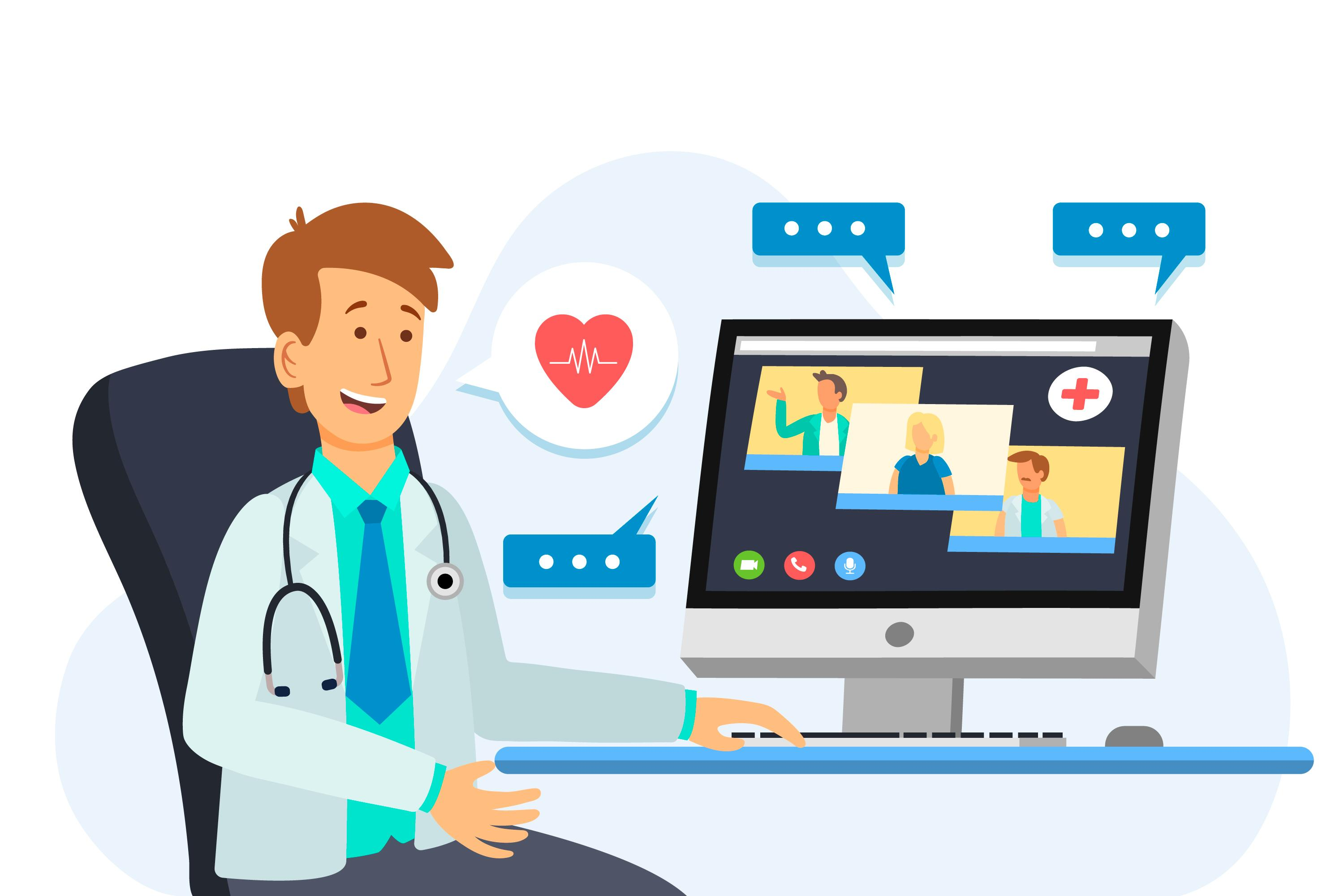
Understanding Burnout in Healthcare
Burnout is a serious problem in healthcare today. Doctors and medical staff often feel mentally and physically exhausted because of heavy workloads and long hours.
Many healthcare professionals spend more time on paperwork than on patients, which lowers job satisfaction and increases stress levels. A Healthcare Virtual Assistant helps manage administrative tasks, allowing doctors to focus more on patient care instead of paperwork.
Why Administrative Work Causes Stress
Doctors are trained to treat patients, not to handle endless documentation. However, daily tasks like scheduling, billing, and data entry take up most of their time.
This constant pressure reduces focus, increases errors, and leads to emotional exhaustion for both doctors and staff.
The Rise of Virtual Medical Assistants
Technology has changed how healthcare operates, and virtual medical assistants are becoming a key part of this change. These assistants work remotely to support clinics and hospitals.
How Virtual Medical Assistants Work
Virtual medical assistants are trained professionals who work online. They handle tasks such as appointment scheduling, insurance verification, and patient follow-ups.
They integrate smoothly with electronic health record (EHR) systems, making daily operations more efficient and organized.
Reducing Workload for Doctors
One of the biggest benefits of virtual medical assistants is reduced workload. Doctors no longer need to worry about non-clinical tasks.
This allows them to spend more time diagnosing patients, building trust, and providing quality healthcare.
Supporting Medical Office Staff
Office staff often face pressure from phone calls, patient questions, and insurance paperwork. Virtual assistants help share this burden.
With fewer interruptions, in-house staff can work more efficiently and experience less daily stress.
Improving Work-Life Balance
Burnout often comes from poor work-life balance. Long hours and unfinished tasks follow healthcare workers home.
Virtual medical assistants help complete tasks on time, allowing doctors and staff to leave work feeling less overwhelmed.
Helping with Insurance and Billing Tasks
Insurance-related tasks are complex and time-consuming. Virtual assistants help verify coverage, process claims, and manage billing questions.
This reduces frustration and ensures smoother communication between healthcare providers and insurance companies.
Managing Prior Authorizations Efficiently
Insurance approvals are a major stress point in healthcare. Delays in prior authorizations can affect patient care and staff morale.
A Prior Authorization Virtual Assitant helps submit documents, follow up with insurers, and track approvals, saving valuable time.
Enhancing Patient Communication
Virtual medical assistants improve communication by handling appointment reminders, follow-up calls, and patient messages.
Patients feel more supported, while doctors are not constantly interrupted during clinical hours.
Reducing Errors and Improving Accuracy
Fatigue often leads to mistakes in documentation and data entry. Virtual assistants work with focus and accuracy.
This reduces errors in patient records, billing information, and insurance submissions.
Cost-Effective Solution for Clinics
Hiring full-time staff can be expensive for small clinics. Virtual assistants offer a more affordable option without sacrificing quality.
Clinics can scale support services based on workload without long-term financial commitments.
Supporting Mental Health of Healthcare Workers
Burnout affects mental health, leading to anxiety and depression among healthcare professionals. Reducing daily stress is essential.
Virtual medical assistants help create a healthier work environment where staff feel supported and valued.
Improving Overall Healthcare Quality
When doctors are less stressed, patient care improves. Focused doctors make better decisions and communicate more clearly.
Virtual assistants indirectly improve healthcare outcomes by allowing providers to work at their best.
Training and Reliability of Virtual Assistants
Most virtual medical assistants receive specialized healthcare training. They understand medical terminology, HIPAA rules, and clinic workflows.
This makes them reliable partners rather than just administrative helpers.
The Future of Healthcare Support
As healthcare demands grow, virtual medical assistants will become even more important. They are not replacing doctors but supporting them.
This teamwork between humans and technology is shaping a more sustainable healthcare system.
Why Students Should Understand This Trend
Healthcare students should be aware of how technology impacts medical careers. Virtual assistants are becoming part of everyday practice.
Understanding this system prepares students for modern healthcare environments.
Conclusion
Virtual medical assistants play a vital role in reducing burnout for doctors and staff.
They help manage administrative tasks, improve work-life balance, and support mental health.
By reducing stress, they allow healthcare workers to focus on what truly matters—patients.
As healthcare evolves, virtual support will remain a key solution for sustainable care.

 English
 Arabic
 French
 Portuguese
 Deutsch
 Turkish
 Dutch
Dutch
 Italiano
 Russian
 Romaian
 Portuguese (Brazil)
 Greek
Greek