


BMW Engines: Innovation, Performance, and Engineering Excellence
Introduction
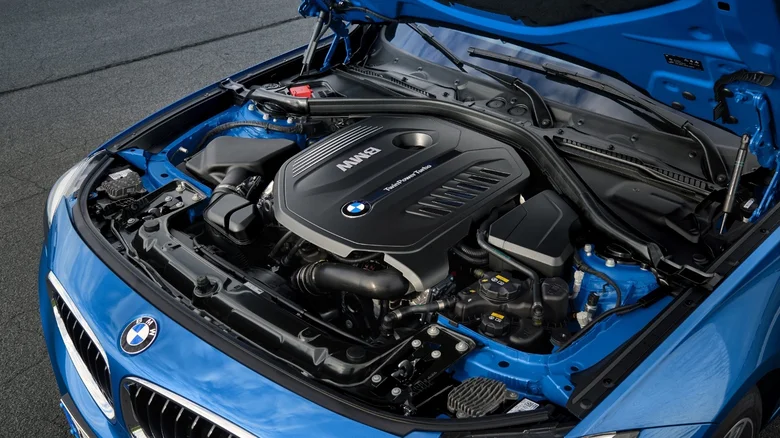
BMW, officially known as Bayerische Motoren Werke, is a German automotive brand synonymous with luxury, performance, and cutting-edge engineering. While the exterior designs of BMW engines are iconic, the heart of these vehicles—the engine—demonstrates the brand’s dedication to precision, power, and innovation. BMW engines are renowned worldwide for their performance, reliability, and technological advancements, making them a favorite among car enthusiasts.
History of BMW Engines
BMW started as an aircraft engine manufacturer in 1916 before transitioning to motorcycles and then automobiles. Their engineering expertise in aircraft engines laid the foundation for designing high-performance automotive engines. Early BMW car engines, such as the M10 four-cylinder introduced in the 1960s, set benchmarks for efficiency and durability. Over the decades, BMW has continued to innovate, developing engines that balance power, fuel efficiency, and environmental responsibility.
Types of BMW Engines
BMW produces a variety of engines tailored for different performance needs. These engines range from efficient four-cylinder engines for compact models to high-performance V8s and V12s for luxury and sports vehicles.
1. Four-Cylinder Engines
BMW’s four-cylinder engines are commonly found in the 1 Series, 2 Series, and smaller SUVs. These engines are designed to provide a balance between fuel efficiency and performance. Modern BMW four-cylinder engines often feature TwinPower Turbo technology, which enhances power output while maintaining low fuel consumption.
2. Six-Cylinder Engines
BMW’s six-cylinder inline engines, particularly the B58 series, are considered among the best in the automotive industry. These engines offer smooth power delivery, exceptional torque, and remarkable reliability. The inline-six configuration is a hallmark of BMW engineering, providing a perfect blend of performance and refinement.
3. V8 Engines
For enthusiasts seeking ultimate performance, BMW’s V8 engines deliver exhilarating speed and power. The M series V8s, found in vehicles like the BMW M5 and M8, are engineered for high-performance driving. These engines incorporate advanced technologies such as turbocharging, direct fuel injection, and variable valve timing to maximize output and efficiency.
4. V12 Engines
BMW V12 engines, although limited to ultra-luxury models like the 7 Series and certain M variants, represent the pinnacle of engineering. With unparalleled smoothness, immense torque, and exceptional refinement, these engines deliver a driving experience that is both powerful and luxurious.
5. Hybrid and Electric Powertrains
In response to environmental challenges and evolving market demands, BMW has invested heavily in hybrid and electric engines. The BMW iPerformance lineup features plug-in hybrid engines that combine traditional combustion power with electric motors for improved efficiency and reduced emissions. BMW’s fully electric vehicles, like the iX and i4, showcase the company’s commitment to a sustainable yet high-performance future.
BMW Engine Technologies
BMW engines are not just about raw power—they integrate sophisticated technologies that optimize performance, efficiency, and reliability.
1. TwinPower Turbo Technology
TwinPower Turbo combines a twin-scroll turbocharger with direct fuel injection and variable valve timing. This system improves acceleration, enhances torque delivery at low RPMs, and maintains fuel efficiency. Most modern BMW engines, from four-cylinder to six-cylinder variants, employ this technology.
2. Valvetronic Variable Valve Timing
Valvetronic technology allows for variable valve lift, optimizing airflow into the engine. This innovation improves fuel efficiency, reduces emissions, and provides smoother engine response. Combined with BMW’s Double VANOS system for variable camshaft timing, Valvetronic ensures peak performance across all driving conditions.
3. EfficientDynamics
BMW’s EfficientDynamics initiative focuses on reducing fuel consumption and emissions without compromising performance. Features include auto start-stop, brake energy regeneration, and optimized aerodynamics. Engine design improvements are a key component of this program, ensuring BMW engines remain environmentally responsible while delivering the brand’s signature driving experience.
4. Lightweight Materials
BMW employs lightweight materials such as aluminum and magnesium in engine construction. These materials reduce overall vehicle weight, improving performance, fuel efficiency, and handling. Lightweight engines also enhance vehicle balance and responsiveness, critical factors in BMW’s sporty driving dynamics.
BMW M Performance Engines
The BMW M series represents the brand’s pinnacle of engine performance. M engines are specially designed and tuned to deliver maximum horsepower, torque, and track-ready performance. Examples include:
-
S58 Engine: Found in the latest BMW X3 M and X4 M, this turbocharged inline-six delivers over 500 horsepower.
-
S63 Engine: The twin-turbo V8 in the BMW M5 and M8 produces up to 617 horsepower in the Competition models.
-
S70/73 V12: A legendary naturally aspirated V12 engine, previously found in the BMW M8 prototype, exemplifies BMW’s engineering prowess.
These engines not only perform on the road but are also celebrated for their reliability and engineering sophistication.
Maintenance and Longevity of BMW Engines
BMW engines are designed for longevity and reliability, but proper maintenance is crucial. Regular oil changes, timely replacement of spark plugs, and careful monitoring of cooling systems ensure that BMW engines perform optimally for hundreds of thousands of kilometers. Many enthusiasts report that with proper care, BMW engines maintain their performance for over a decade.
BMW Engine Innovation and Future
BMW continues to push boundaries in engine technology. The company is investing in hydrogen fuel cell engines, high-efficiency turbocharged units, and advanced hybrid powertrains. BMW’s focus on electrification does not diminish their commitment to internal combustion engines but rather enhances their reputation for engineering excellence. The future of BMW engines promises a perfect combination of sustainability, efficiency, and exhilarating driving experiences.
Conclusion
BMW engines are a testament to the company’s philosophy: sheer driving pleasure combined with precision engineering. From four-cylinder turbocharged units to high-performance V8 and V12 engines, BMW consistently demonstrates expertise in crafting powertrains that deliver performance, efficiency, and reliability. With ongoing innovation in hybrid and electric powertrains, BMW ensures that the thrill of driving will continue while adapting to a greener future. For car enthusiasts and everyday drivers alike, BMW engines represent the perfect blend of engineering, performance, and luxury.
For more information.

 English
 Arabic
 French
 Spanish
 Deutsch
 Turkish
 Dutch
Dutch
 Italiano
 Russian
 Romaian
 Portuguese (Brazil)
 Greek
Greek